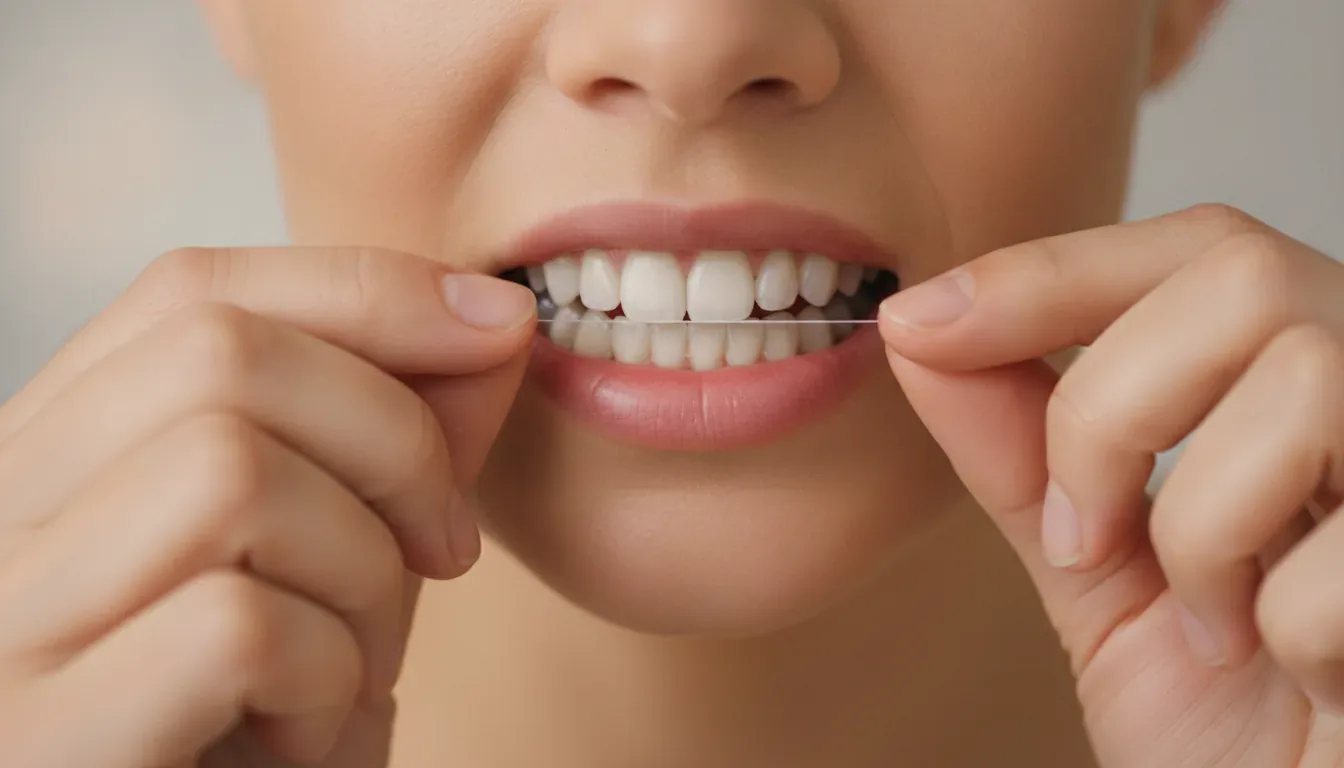
Allergy season hits, and your breath is off, even though you brush like always. You are not imagining it, and you are not doing anything wrong. Here is the straight answer on whether allergies cause bad breath, why it happens, and when it is worth a dentist visit.
Can allergies cause bad breath
Yes. Allergies can cause bad breath, mainly through post-nasal drip and dry mouth. Extra mucus drips down your throat and feeds odor-causing bacteria, while a stuffy nose and allergy medicines dry out your mouth. Allergy bad breath is usually temporary and manageable, not a sign of a serious dental problem on its own.
On this page
How do allergies cause bad breath
Allergies set off a chain reaction in your nose, throat, and mouth, and that chain is what makes your breath smell. Three things drive it: post-nasal drip, a dry mouth, and the allergy medicines you take to feel better. The medical name for the nose reaction behind it is allergic rhinitis.
- Post-nasal drip: When allergies flare, your body makes extra mucus. That mucus drips down the back of your throat, and odor-causing bacteria feed on it and release smelly gases called volatile sulfur compounds. Those gases are what you and others notice.
- A dry mouth: A blocked nose makes you breathe through your mouth, which dries it out. This is called mouth breathing. Saliva is your mouth’s natural rinse, so when there is less of it, bacteria are not washed away and odor builds up.
- Allergy medicines: Antihistamines and decongestants ease your symptoms, but they also reduce saliva flow. Less saliva means a drier mouth and stronger breath odor. It is a common trade-off, and there are easy ways to manage it.
But how can you tell this is your allergies and not a tooth problem? The signs help.
How can you tell if bad breath is from allergies and not something else
Allergy-related bad breath usually travels with other allergy signs, so it rarely shows up alone. Watch for frequent throat clearing, a bitter or metallic taste, a dry scratchy throat, breath that is worse during high-pollen weeks, and worse morning breath when you wake up.
- Signs it is coming from your sinuses: Allergy and sinus breath tends to come with post-nasal drip and congestion. People often ask what post nasal drip breath smell is like: it is usually a stale, mucus-like odor that eases once the sinuses clear. To tell if bad breath is from sinuses, notice whether it comes with congestion and facial pressure and clears when your nose does.
- Signs it is your teeth or gums instead: Pain that shifts when you bend over or lie down points to your sinuses. Pain in one tooth, sharp to hot or cold, along with bleeding or sore gums, points to a dental problem. Allergy sinus pressure sits on your upper back teeth, near the maxillary sinuses, so it can mimic a toothache. A dentist can check for gum disease or tooth decay if the signs point that way.
- Other causes worth knowing: Bad breath in the throat is not always allergies. Tonsil stones, acid reflux (GERD), and gum disease can all cause it. That is why bad breath that will not clear is worth a check.
Parents ask this next question a lot: can the same thing happen to kids?
Can allergies cause bad breath in children
Yes, children can get allergy bad breath, and it happens the same way it does in adults. Post-nasal drip and mouth breathing cause dry mouth, and in kids it is often worse because they mouth-breathe more and skip cleaning the tongue and back teeth.
- When it is normal, and when to check: A little bad breath during allergy season is common in children and usually clears as the allergies settle. Ask a dentist or pediatrician if your child’s bad breath lasts, or if it comes with mouth breathing, snoring, or constant congestion. Enlarged tonsils or adenoids can be part of the picture, so it is worth mentioning to a pediatric dentist or doctor.
- A simple home note: Kids often miss the tongue and the back teeth. Gentle tongue cleaning and steady sips of water help a lot, and neither is hard to build into the bedtime routine.
The good news for the whole family: a few simple habits clear most allergy bad breath. Here is what to do.
How do you get rid of bad breath from allergies
The fix works on two fronts: calm the allergy so your body makes less mucus, and keep your mouth moist so bacteria get washed away. Do both and most allergy bad breath fades. Here is how to get rid of bad breath from allergies, in order.
- Start at the source with a saline nasal rinse or a neti pot to clear the mucus that feeds the smell, alongside your usual allergy plan. This is also the first move for sinus bad breath, and a saline nasal spray works the same way if that is easier.
- Drink water through the day so saliva keeps flowing and rinses bacteria away. If you have wondered which drink to reach for, plain water does the most reliable work, and steady hydration matters more than any single sip.
- Clean the back of your tongue gently, where bacteria and mucus collect, using a tongue scraper if you have one.
- Gargle warm salt water to loosen mucus and ease a scratchy throat, and run a cool-mist humidifier at night so the air does not dry you out.
- Rinse with an alcohol-free mouthwash, since alcohol rinses dry the mouth and can make odor worse.
- Keep saliva moving with sugar-free gum or lozenges when your mouth feels dry.
- Watch the antihistamine trade-off: allergy medicines ease symptoms but can dry the mouth, so drink more water on the days you take them.
The most reliable treatment starts at the source, then keeps your mouth moist. If you do all this and the smell hangs on, that is your signal to get it checked.
When should you see a dentist or doctor about it
Most allergy bad breath eases as the allergy settles down. But if it is persistent, meaning it lasts a few weeks despite hydration, allergy control, brushing, flossing, and tongue cleaning, it is worth getting checked.
- When to see a dentist: See a dentist if bad breath comes with bleeding or sore gums, a lasting bad taste, or pain in one tooth. A dentist can rule out gum disease or tooth decay and, if your mouth is healthy, give you peace of mind. A routine checkup and cleaning, part of regular preventive care, is usually all it takes to rule out a dental cause.
- When to see a doctor, allergist, or ENT: Constant congestion, facial pressure, or signs of a sinus infection point to your doctor, an allergist, or an ENT. Long-running sinus trouble, sometimes called chronic sinusitis, and tonsil stones are also worth a professional look.
How Valley View Dental can help
Valley View Dental is a family practice serving Romeoville, Naperville, and Montgomery for 20+ years. A checkup can rule out a dental cause and get you a clear plan. You can reach any of the three offices at (630) 509-7933.
Still have a quick question? These come up the most.
Frequently asked questions
How do you get rid of bad breath in your throat?
Clear the mucus and clean where bacteria hide. A saline rinse, a warm salt-water gargle, and steady hydration loosen throat mucus, and gently cleaning the back of the tongue removes the bacteria that cause the smell. If a rinse and tongue cleaning do not help, tonsil stones or a gum problem may be the cause.
How do I get rid of sinus bad breath?
Treat the sinus or allergy source, then keep your mouth moist. A saline rinse and your allergy plan cut the post-nasal drip, and water keeps saliva flowing. If it looks like a sinus infection, see a doctor.
How do you know if bad breath is from sinuses?
It usually comes with post-nasal drip, congestion, throat clearing, and a metallic taste. Breath from the sinuses tends to ease once your sinuses clear, which sets it apart from a steady dental odor.
What drink kills bad breath fast?
Water is the most reliable drink, because it rinses bacteria and restarts saliva. Green tea and sugar-free options can help for a short while, but none of them replaces treating the cause.
Which nasal spray helps with allergy bad breath?
A saline (saltwater) nasal rinse or spray to thin mucus is the first choice. Use any medicated spray only on a doctor’s advice.
What does GERD breath smell like?
Reflux breath is often sour or acidic, rather than the mucus-linked smell of allergies. Sour breath that lasts is worth a visit to your doctor.