You floss, and there it is: that clean, slightly satisfying feeling right after. Flossing can feel good, sometimes good enough to make you wonder why. This guide gives the plain answer, and shows you how to tell when a feeling is normal and when it is worth a dentist’s attention.
Why does flossing feel good
Flossing clears trapped food and dental plaque from between your teeth and along the gumline. That relief of pressure, plus a little gentle stimulation to your gums, is what your brain reads as a clean, satisfying feeling. The American Dental Association notes that flossing removes food and plaque a toothbrush leaves behind between tight spaces. To understand why it feels good, it helps to picture what floss is actually removing.
What this guide covers
What is actually happening when you floss
Dental floss slides between your teeth and just under the gumline, where it removes food debris and the sticky film of bacteria called dental plaque that a toothbrush can’t reach. A toothbrush cleans the broad surfaces well, but its bristles cannot get into the tight spaces between your teeth. That is the job floss does. When plaque is left between your teeth, it hardens into tartar along and below the gumline, and tartar comes off only with a professional cleaning. The American Dental Association recommends cleaning between your teeth daily for this reason. Clearing that build-up is also what sets up the good feeling.
Why does flossing feel good in the moment
The good feeling comes mostly from relief: clearing trapped food and easing the pressure between your teeth, plus a gentle massage of the gums. Dentists point to three reasons it feels good in the moment.
- The first is pressure relief. When you lift out food debris and dental plaque wedged between teeth, that low-grade pressure lets go, and your brain reads the change as refreshing relief. Some people describe it like scratching an itch.
- The second is gum stimulation. The gentle motion stimulates your gums, works the gum tissue a little, and encourages blood circulation.
- The third is the fresh, clean feeling. Smooth, clear spaces between your teeth simply feel cleaner than packed ones.
None of this is a precise clinical measurement. It is how dentists and dental hygienists describe the sensation. So part of the good feeling is physical. Part of it, though, happens in your head.
Is the good feeling just in your head
Part of the feeling is mental, not only physical. Finishing a small daily task gives your brain a sense of accomplishment, and that itself feels good. Psychologists and dentists who write about the habit describe a small reward response when you complete a routine like flossing, sometimes called a dopamine hit. Think of it as the quiet satisfaction of ticking off something you know is good for you. Psych Central, in a piece on the psychology of flossing, frames this around habit and reward rather than hard brain chemistry, and that is the honest way to read it. So the good feeling is real, and some of it is simply the calm of a routine done. That said, flossing does not always feel good. Sometimes it hurts or feels strange, especially early on.
Why does flossing sometimes hurt or feel weird, especially at first
It is common for flossing to hurt a little or feel weird when you first start, and it is usually not a reason to stop. Sore or tender gums, or a bit of bleeding in the first week or two, often settle as your gums get healthier with daily flossing. The most common reason for bleeding gums early on is gum inflammation, an early form of gingivitis, caused by plaque that has been building up between the teeth. As you clear that plaque each day, the inflammation tends to go down, the bleeding usually eases, and flossing gets easier. One thing to check is technique: soreness from snapping the floss hard into your gums is different, and a gentler motion fixes it. If a feeling does not fit that normal pattern, the next part shows you which sensations are worth a dentist’s attention.
Which after-floss feelings are normal, and which mean you should see a dentist
Most after-floss feelings are normal. A clean, fresh feeling, mild gum tenderness in your first week or two of daily flossing, and a small amount of pink that fades quickly are usually nothing to worry about.
You should see a dentist if any of these show up:
- Bleeding gums that continue after about two weeks of daily flossing.
- Gums that stay sore or swollen, or begin to pull away from the teeth.
- A bad smell, bad breath, or a bad taste when you floss that won’t go away.
- A tooth that feels loose.
These can be signs of gum disease, or its early stage gingivitis, rather than the ordinary getting-used-to-it stage, and they are worth having checked. Valley View Dental is a family practice that offers checkups and cleanings, and same-day appointments when something does not feel right, so a worrying sign does not have to wait. Once you know the difference, the last step is flossing in a way that feels good and does its job.
How to floss so it feels good and actually does its job
The American Dental Association recommends cleaning between your teeth once a day with dental floss or another interdental cleaner. Good technique is what makes flossing feel good and do its job at the same time. Here is the simple method:
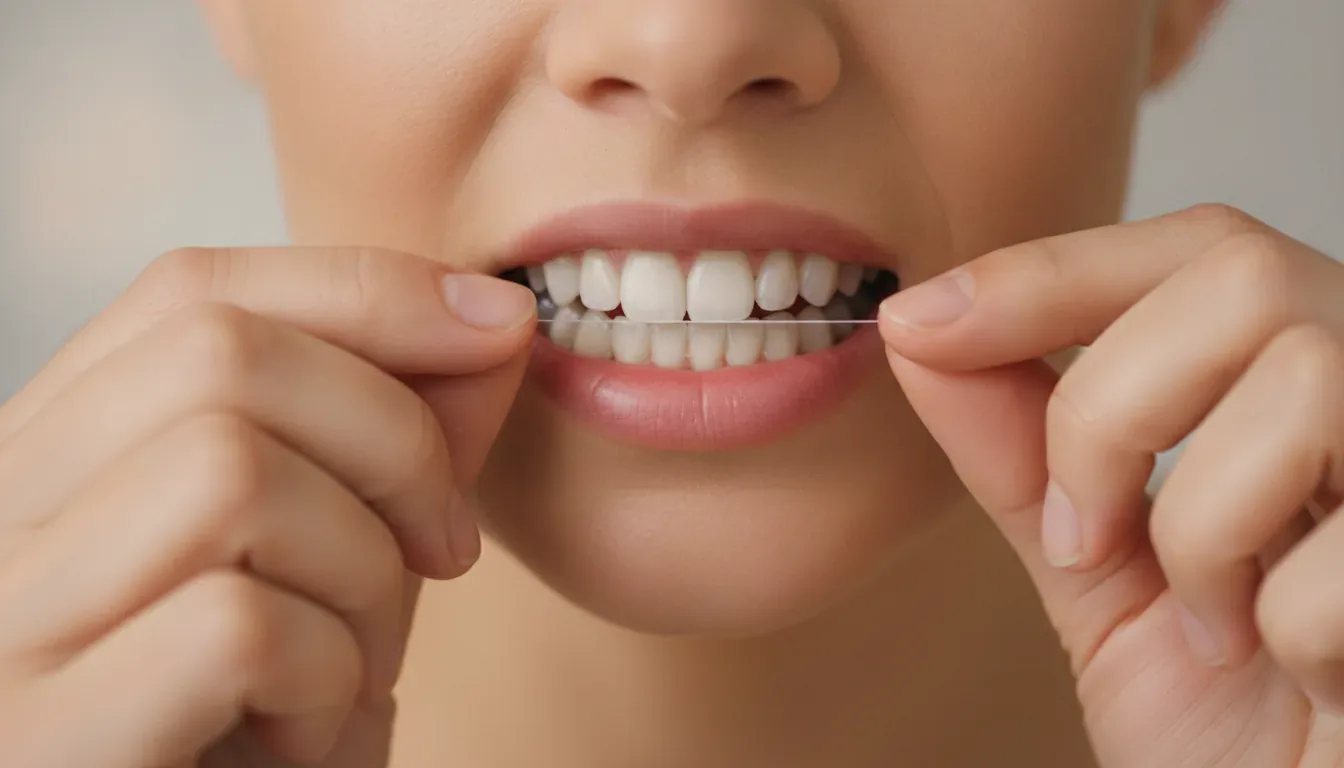
- Take a length of floss and wind most of it around your fingers, leaving a short section to work with.
- Guide the floss gently between your teeth with an up-and-down motion. Do not snap it hard into your gums.
- Curve the floss into a C shape against the side of each tooth.
- Slide it just under the gumline, then move to the next tooth with a clean section of floss.
If regular floss is hard to use, a water flosser or floss picks are fine alternatives. The ADA counts any interdental cleaner you will actually use every day. The gentle version of this is the part that feels good. The hard, snapping version is what leaves gums sore. A few quick questions come up a lot, so here are plain answers.
Flossing questions people also ask
Should I floss before or after brushing?
Flossing before you brush is a common recommendation, so fluoride toothpaste can reach the gaps you just opened up. The ADA says the order matters less than doing both every day.
What are the signs that I’m overflossing?
Overflossing shows up as gums that are sore, receding, or bleeding from too much pressure. Flossing many times a day, pressing too hard, or snapping the floss into your gums can cause it. Once a day with a gentle C shape is enough.
Why does it smell when I floss?
A smell on the floss usually means trapped food and bacteria were sitting between your teeth. If it keeps happening after regular flossing, it can point to gum disease and bad breath, and is worth a dental check.
What happens if you don’t floss for a long time?
If you don’t floss, plaque between your teeth hardens into tartar and can lead to gingivitis and, over time, gum disease and cavities between the teeth. A professional cleaning plus daily flossing helps reverse the early stage.
Can dentists actually tell if you floss?
Usually yes. Inflamed or bleeding gums between the teeth and tartar along the gumline show a dentist or hygienist where flossing has been missed. It is nothing to feel judged about; it just tells them where to help.