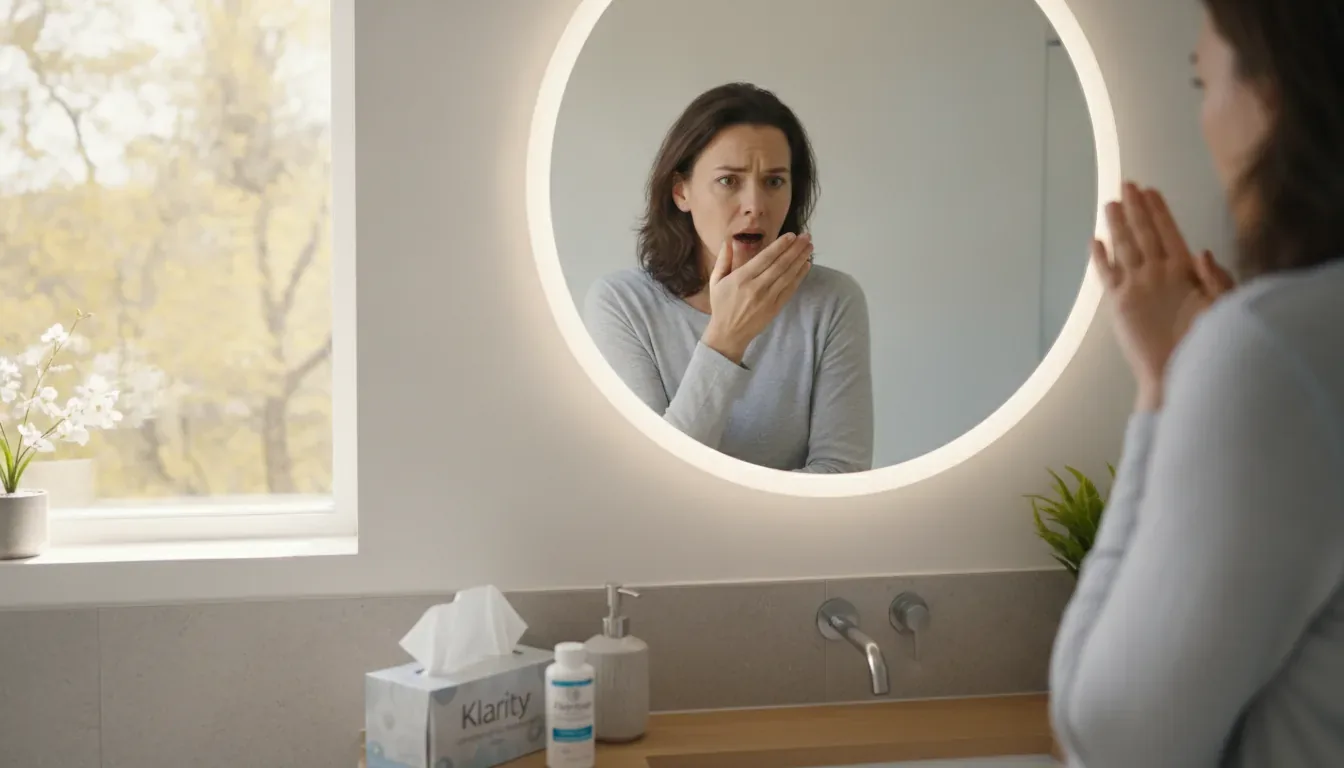
TMJ home care is the first thing to try for a sore, tight or clicking jaw, and for many people it is enough. TMJ stands for the temporomandibular joint, the hinge on each side of your jaw. Trouble with that joint and the muscles around it is called TMD. The National Institute of Dental and Craniofacial Research (NIDCR) says TMD symptoms go away without treatment for many people.
Most tip lists skip how to do each step right, so this guide shows the mistake to avoid at each one. Start with the six steps, in one short list.
The short answer – TMJ home care in six steps
TMJ home care comes down to six simple steps: rest your jaw, eat soft foods, use heat or ice, stretch gently, catch the habits that strain it, and use short-term pain relief if needed. See a dentist if the pain is not easing after a few weeks, or sooner if your jaw locks.
- Rest your jaw in the right position.
- Switch to soft foods and small bites.
- Use heat or ice, the right way.
- Stretch and massage gently.
- Catch the habits that strain your jaw.
- Use over-the-counter pain relief for a short time only.
These steps follow the self-care advice of Mayo Clinic, NIDCR and The TMJ Association. Next is how to do each step right.
What this guide covers
How do you do TMJ home care, step by step
Each step below comes with the mistake people make most, because doing it right is what makes it work. Most of this home care uses things you already have, like a washcloth and soft food.
Step 1: Rest your jaw in the right position
How to do it: In the jaw rest position, your teeth sit slightly apart and your lips stay closed. The tip of your tongue rests on the roof of your mouth, just behind your front teeth. Breathe through your nose. Check your jaw for this position several times a day.
Common mistake: Thinking that resting means keeping your teeth together. Teeth that touch all day keep your jaw muscles working.
Step 2: Switch to soft foods and small bites
How to do it: Soft foods let your jaw and its muscles rest. Good choices include soups, pasta, yogurt and mashed potatoes. Cut food into small pieces, and chew on both sides of your mouth.

Common mistake: Keeping foods that need a wide opening or hard chewing. That means whole apples, corn on the cob, and sticky or chewy foods. Gum counts too, and Mayo Clinic’s advice is plain: don’t chew gum.
Step 3: Use heat or ice, the right way
How to do it: Use heat for a dull, steady ache and ice for a sharp pain. The next section gives the times for each.
Common mistake: Putting ice straight on your skin, or leaving it on too long. The TMJ Association advises wrapping it in a cloth and keeping it on for no more than 20 minutes.
Step 4: Stretch and massage gently
How to do it: Stretch your jaw by opening and closing your mouth slowly, with your tongue resting on the roof of your mouth. Then massage in small circles over the cheek muscle in front of your ear, called the masseter. Do the same over the temple muscle, called the temporalis. Mayo Clinic notes that a physical therapist can teach you these stretches and massage.
Common mistake: Pushing through pain, or starting strengthening exercises while your jaw is still sore. Stretch first, strengthen only once the ache has eased, and stop any exercise that hurts.
Step 5: Catch the habits that strain your jaw
How to do it: NIDCR advises cutting back on jaw clenching, gum chewing and nail biting. Notice when you clench during the day or chew on pens and pencils. When you catch yourself clenching, take a few slow breaths and let your teeth part. The American Dental Association (ADA) suggests relaxation methods such as meditation or biofeedback.
Common mistake: Buying a drugstore night guard and wearing it even when it hurts or changes how your teeth meet. If a guard does either, stop wearing it and ask a dentist.
Step 6: Use over-the-counter pain relief for a short time only
How to do it: Over-the-counter pain relievers can ease a flare for a short time. These include anti-inflammatory medicines called NSAIDs. Check with a pharmacist or your dentist first, especially if you take other medicines.
Common mistake: Relying on pain relief for weeks instead of getting your jaw checked. Still needing it after a few weeks is a sign to have a dentist check your jaw.
One step needs more than a line: which to choose, heat or ice.
Should you use heat or ice on a sore jaw
Heat suits a dull, steady ache, while cold suits a sudden, sharp pain. Mayo Clinic gives the same rule: ice for acute pain, heat for chronic dull pain.
Moist heat, for a dull ache:
- Soak a couple of washcloths in warm water and hold them to your face for about 20 minutes.
- Keep them warm, not hot, so you do not burn your skin.
Cold pack, for a sharp pain:
- Wrap the cold pack in a clean cloth, and never put it on bare skin.
- Hold it on both sides of your face for about 10 to 15 minutes.
- Never leave it on for more than 20 minutes. Repeat every two hours if you need to.
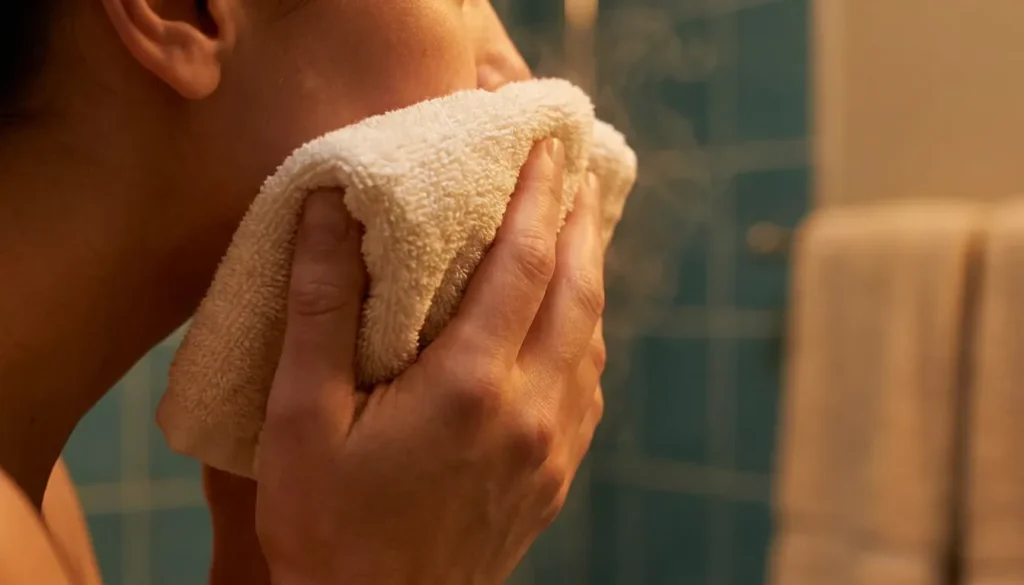
In a survey by The TMJ Association, 65% of respondents used hot or cold compresses. Of those, 74% said the compresses reduced their symptoms.
Once you have a routine, learn how to tell it is working for your jaw.
How do you know TMJ home care is working
TMJ home care is working when flares come less often and ease faster, and opening, chewing and talking get easier over the following weeks.
Signs to look for:
- Less pain from day to day.
- Your mouth opens more easily.
- Fewer days when a flare sends you to pain relief.
- Less tightness in your jaw in the morning.
Give it time. The TMJ Association says mild or periodic symptoms may improve on their own within weeks or months with simple home therapy. NIDCR adds that many cases of TMD last only a short time and go away on their own.
Clicking or popping without pain is normal, according to NIDCR, and it does not need treatment. A jaw that clicks but does not hurt is no reason to start treatment.
If progress stalls, watch for the signs that mean home care is not enough.
When is home care not enough
Home care is not enough when the pain has not eased after a few weeks, or sooner if your jaw locks, clicking becomes painful, or your teeth stop fitting together the way they used to.
See a dentist if your TMJ symptoms include any of these:
- No improvement after several weeks of home care.
- Your jaw locks.
- Painful clicking or popping.
- Pain that spreads to your face or neck.
- Ringing in your ears or hearing loss.
- Your teeth no longer fit together the way they did.
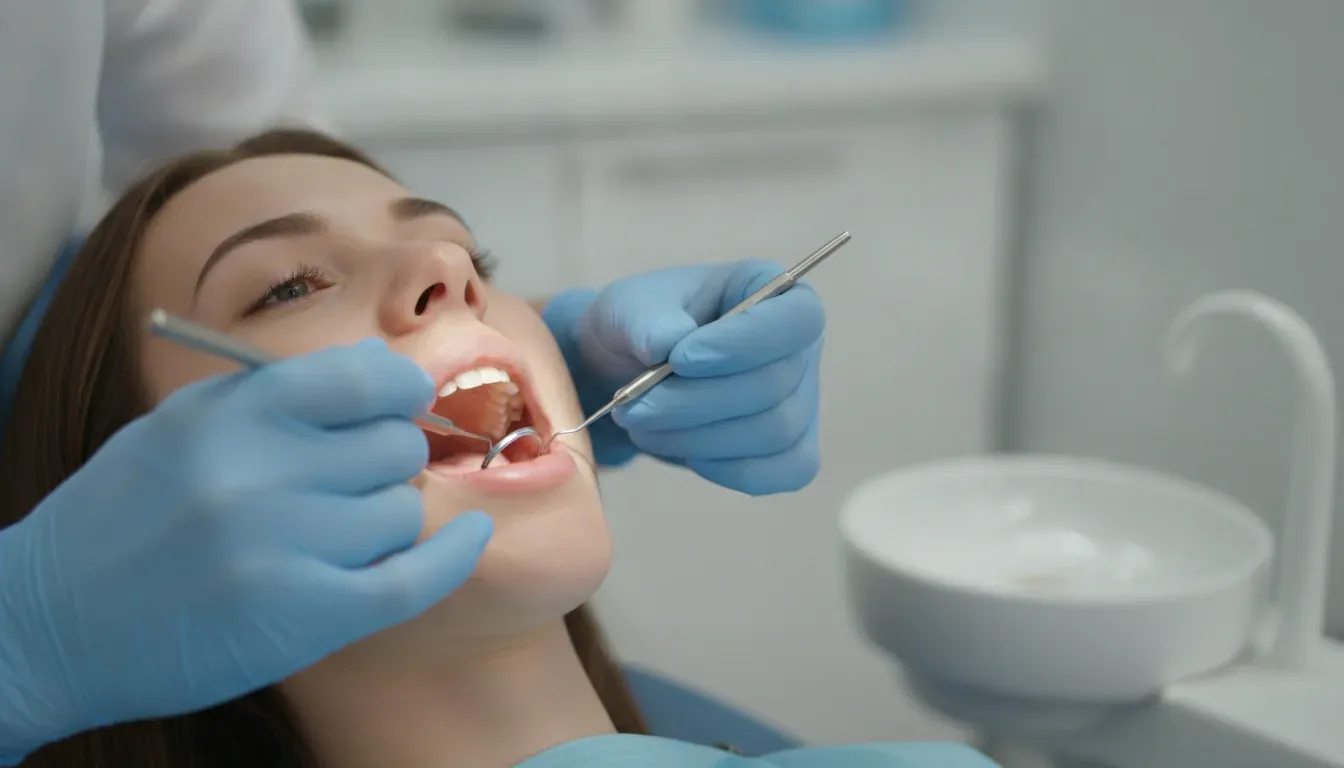
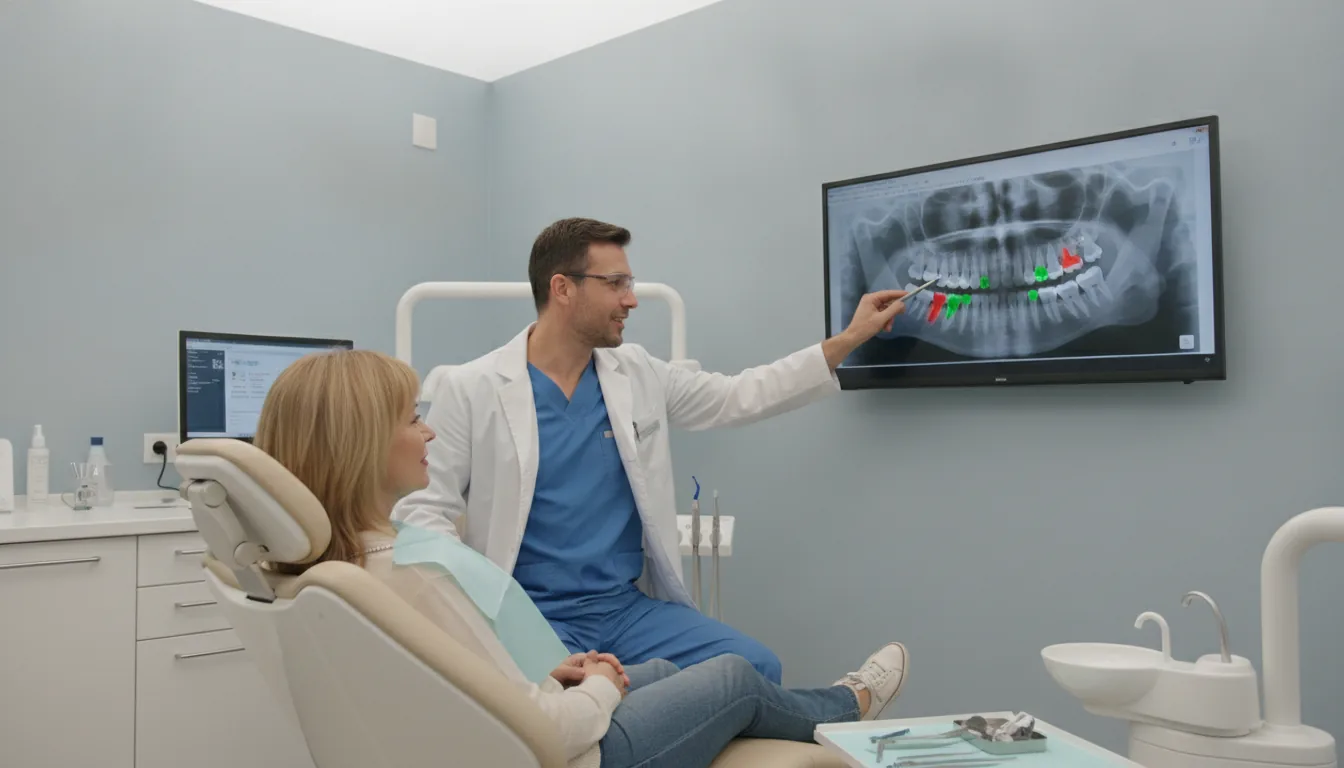
A first visit for jaw pain starts with an exam. The American Dental Association says the dentist checks your joints and muscles for tenderness, clicking, popping or trouble moving. The dentist may also refer you to a physician or another dentist.
NIDCR advises starting with conservative care. Some treatments make lasting changes to your jaw joints, teeth or bite. Before any of them, ask about the benefits, risks and alternatives. If you can, get a second opinion first.
If you need to be seen soon, Valley View Dental offers same-day appointments and Saturday hours.
Below are the questions people ask most about TMJ home care.
TMJ home care – common questions
What foods to eat when you have TMJ?
Soft foods rest the jaw, so choose soups, pasta, yogurt and mashed potatoes, cut into small pieces. Skip apples, corn on the cob, chewy foods and gum.
What makes TMJ worse?
Habits that keep the jaw working make TMJ worse: clenching, chewing gum, biting your nails, chewing on pens, and wide-open bites. Pushing jaw exercises through pain can make it worse too.
How long will a TMJ flare up last?
A TMJ flare-up often settles with home care, and symptoms may improve within weeks or months. If nothing has eased after several weeks, see a dentist.
Does TMJ ever fully go away?
For many people, TMD goes away on its own. NIDCR says its signs and symptoms go away without treatment for many people. Some people have flares that come back and need ongoing care.
What will a dentist do for TMJ pain?
A dentist starts with an exam of your jaw joints and muscles. Then the dentist may suggest exercises, a night guard or bite plate, or medicine. You may also be referred to a physician or another dentist.
What are some exercises for TMJ jaw clicking?
Clicking without pain is normal, so it does not need exercises or treatment. If the clicking hurts, use the gentle stretches in Step 4 and have your jaw checked.