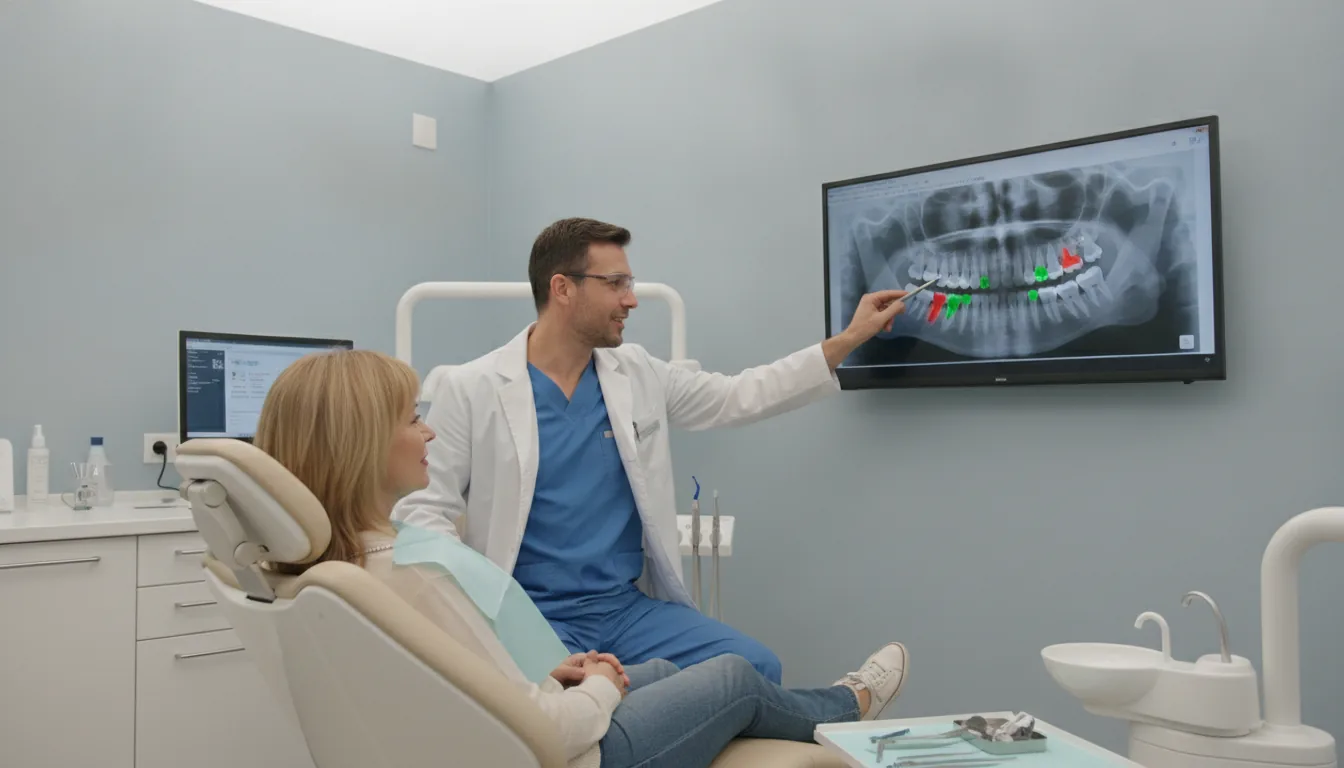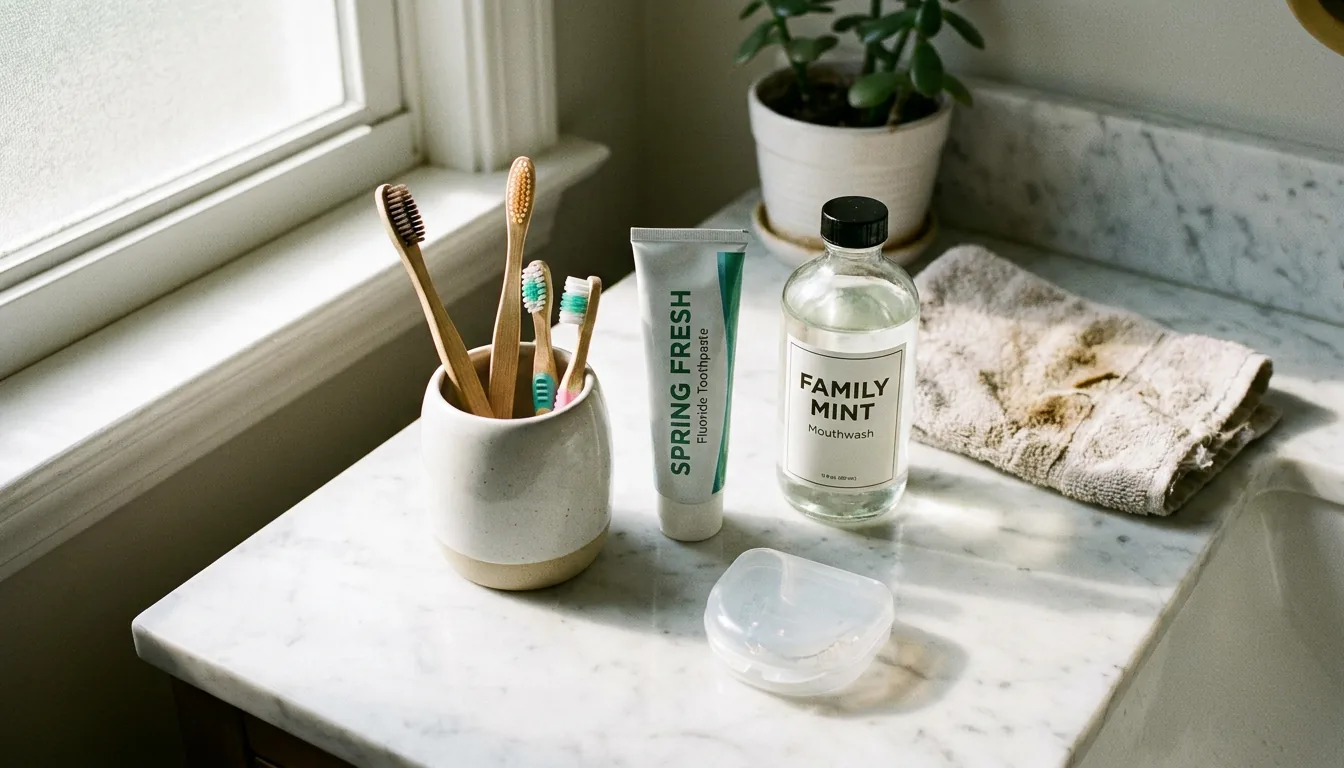
A spring dental cleaning is a home reset plus a professional cleaning, and most of it takes one afternoon. At home, you refresh the family’s toothbrushes, toothpaste, mouthwash and dental gear. Then you book each person’s dental cleaning.
Most spring lists stop at “get a new toothbrush.” This advice shows the one mistake to avoid at each step of your family’s routine. Here are the six steps, in one short list.
The short answer – spring dental cleaning in six steps
A spring dental cleaning is six steps for your family: replace toothbrushes, store them so they dry, toss expired toothpaste and mouthwash, clean retainers and night guards, reset the daily routine, and book cleanings on the schedule your dentist sets. The American Dental Association says to replace a toothbrush every three to four months, so spring is an easy reminder.
- Replace every toothbrush in the house.
- Store toothbrushes so they dry, and clean the holder.
- Check the dates on toothpaste and mouthwash.
- Clean retainers, night guards and sports mouthguards, and their cases.
- Reset the daily routine everyone follows.
- Book everyone’s cleaning, on the schedule that fits them.
Below, each step shows how to do it right and the mistake to skip.
What this guide covers
How do you spring clean your family’s dental routine, step by step
Each step below comes with the one mistake families make most, and doing it right makes the reset last until next season. Work through the steps in order the next time you spring clean the bathroom.
Step 1: Replace every toothbrush in the house
The American Dental Association says to replace each toothbrush every three to four months. Replace it sooner if the bristles are matted or frayed, and treat an electric brush head the same way. Cleveland Clinic adds one more time to replace it: after an illness such as flu or strep throat. For kids, use a soft, child-sized brush with a small head, and brush with them or watch them brush.
Common mistake: waiting until the bristles look worn out. Go by the calendar rather than how the brush looks.
Step 2: Store toothbrushes so they dry, and clean the holder
Rinse each toothbrush well after brushing, then stand it upright so it can air dry. Keep brushes at home out of closed caps and cases. Wash the holder with soap and water each time you change brushes. Never share a toothbrush.
Common mistake: putting toothbrushes in the dishwasher or microwave to sanitize them. The American Dental Association does not recommend either, and a wet brush in a closed case helps germs grow.
Step 3: Check the dates on toothpaste and mouthwash
Look for the expiration date on each toothpaste tube or box, and on each mouthwash bottle. Cleveland Clinic says most toothpaste lasts about two years from the date it is made. Store it somewhere cool and dry, not on a hot, steamy windowsill.
Common mistake: worrying that expired toothpaste is harmful. It usually is not, but its fluoride protects less over time, so replace it.
Step 4: Clean retainers, night guards and sports mouthguards, and their cases
After you brush your teeth and wash your hands, clean the retainer, night guard or mouthguard with a soft toothbrush. Use fragrance-free dish soap or hand soap, rinse in warm water, and store it in a case with air holes. Once a week, soak it in a retainer or denture cleaner, then rinse and brush it and wash the case. If your aligners or retainer came with their own cleaning steps, follow those.
Common mistake: using hot water or toothpaste. Hot water can change the device’s shape, and toothpaste can be too rough.
Step 5: Reset the daily routine everyone follows
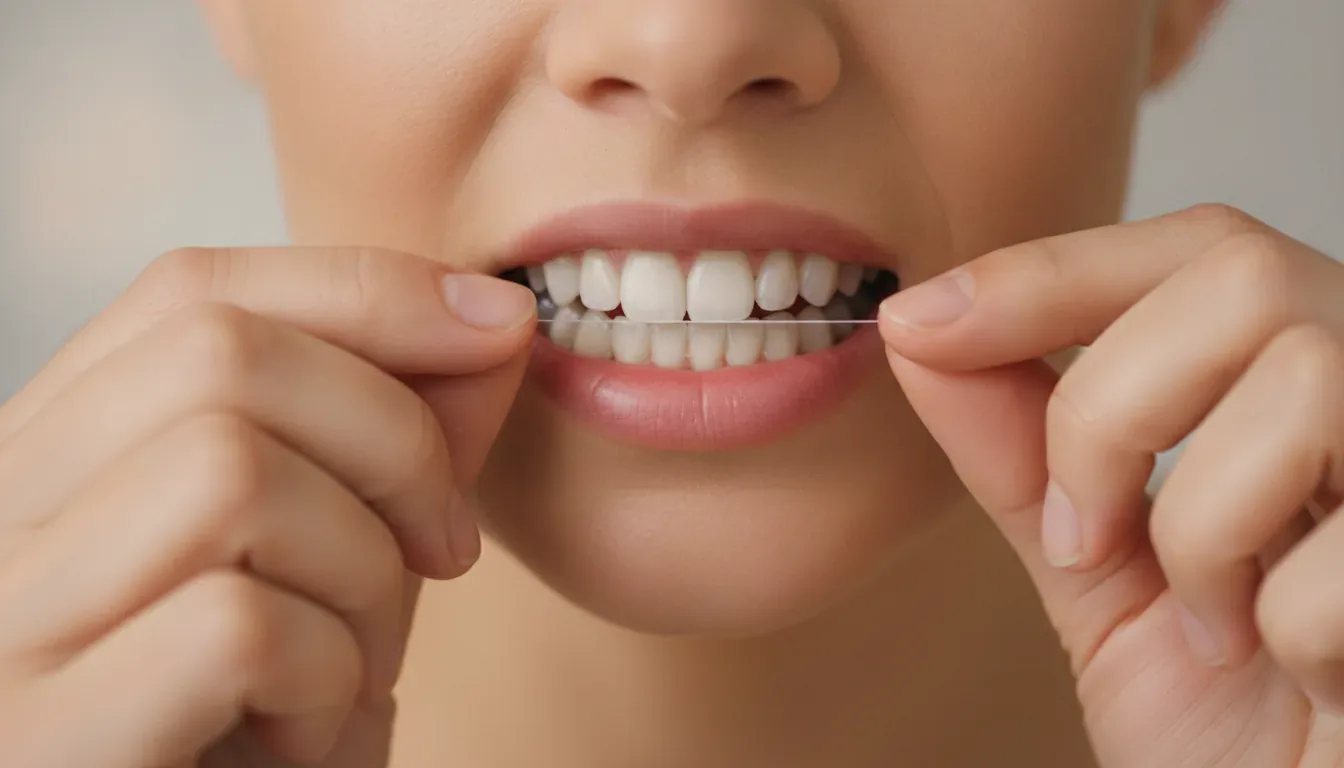
The American Dental Association says to brush twice a day for two minutes with a fluoride toothpaste. Clean between your teeth once a day, too. Floss, interdental brushes, water flossers and wood picks all count, so let each person pick the one they will use. Cut back on sugary drinks and snacks.
Common mistake: using mouthwash in place of cleaning between your teeth. The American Dental Association says a rinse is not for everyone and mainly helps people at higher risk of gum disease.
Step 6: Book everyone’s cleaning, on the schedule that fits them
Check when each person last had a cleaning, and book the ones that are due.Most dentists recommend a cleaning every six months, and some people need visits more often. Bring retainers and guards so the dentist can check their fit and condition. Before you book, note changes like bleeding gums or a sensitive tooth, and check what your plan covers.
Common mistake: treating six months as a rule for everyone. The American Dental Association says reviews found no single interval for everyone, and yours should match your own risk. Ask your dentist why they suggest the one they do.
Once all six steps are done, here is how to tell the reset is finished.
How do you know your spring dental reset is done right
Your spring dental reset is done right when this list is true for everyone, and then you keep it going.
- Every toothbrush or electric brush head is under three to four months old.
- Brushes stand upright and dry in the open, not in closed caps.
- Toothpaste and mouthwash are in date and stored somewhere cool and dry.
- Retainers and guards are clean, and so are their cases.
- Everyone brushes twice a day for two minutes and cleans between their teeth daily.
- Each person’s next cleaning is on the calendar.
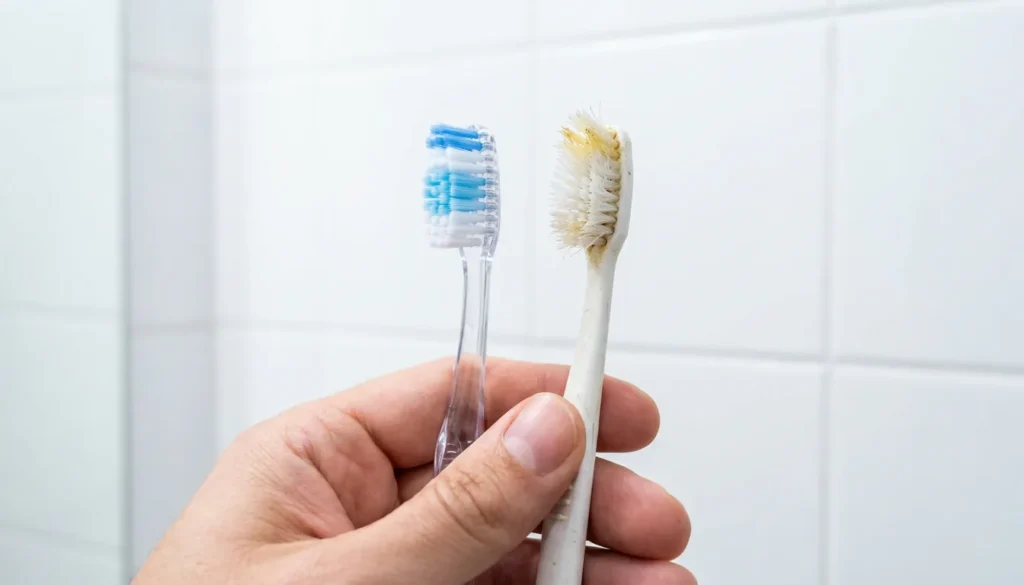
Set a reminder to swap brushes again in three months, at the start of summer. Still, there are a few things home care cannot do.
When is home care not enough
Home care is not enough to remove tartar, the hardened plaque that brushing and flossing cannot lift. A dentist or dental hygienist removes tartar at a professional cleaning.
Book sooner than your usual schedule if anyone in the family has one of these signs. Each one is worth a check now, not at the next routine visit.
- Bleeding gums when you brush or floss
- A tooth that is sensitive to hot or cold
- An ache that comes and goes
- A retainer or guard that no longer fits right (bring it with you so the fit can be checked)
Severe pain, swelling or a broken tooth needs a same-day visit, not a spring checklist. Valley View Dental offers same-day appointments and same-day emergency care. For everything else, here is what happens at a routine professional cleaning.
What happens at a professional dental cleaning
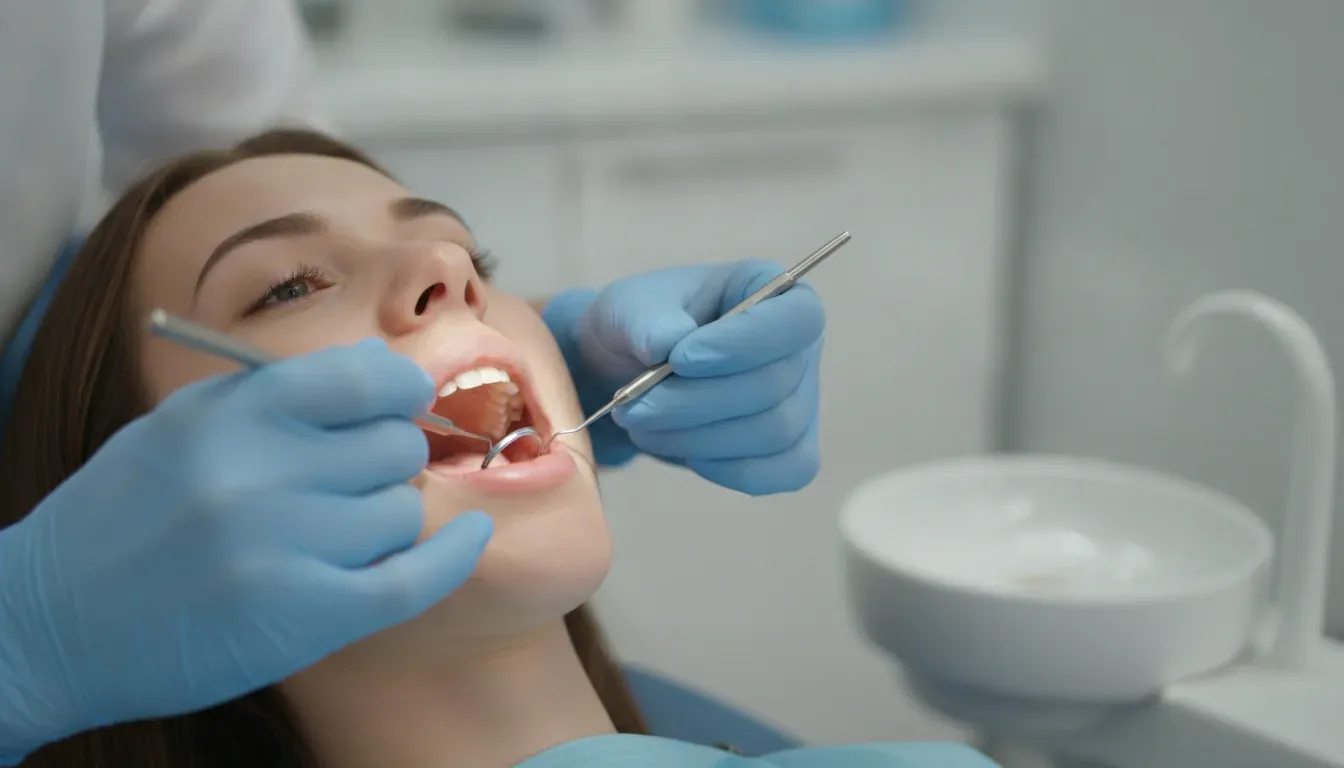
A professional dental cleaning is done by a dentist or dental hygienist in about 30 to 60 minutes. The cleaning removes plaque and tartar, then polishes your teeth.
- Scaling: plaque and tartar come off with special tools, which may include an ultrasonic scaler.
- Polishing: a soft rubber cup and a special toothpaste polish each tooth.
- Extras, only if your dentist recommends them: fluoride, sealants or X-rays.
- The dentist checks your teeth and gums and talks you through what they found.

Telling your child each step ahead of time takes the surprise out of the visit. Valley View Dental hygienists gently remove plaque buildup and polish your teeth. Next are the questions families ask most.
Spring dental cleaning – common questions
Is it necessary to replace my toothbrush every 3 months?
Yes, the American Dental Association recommends a new toothbrush every three to four months, so every 3 months keeps you on track. Replace it sooner if the bristles are matted or frayed, or after an illness such as flu.
Is it okay to use 2 year old toothpaste?
Check the date on the tube, since toothpaste lasts about two years from when it is made. If your 2 year old toothpaste is past that date, replace it. Expired paste is usually not harmful, but its fluoride protects less.
What is the 2 2 2 rule for brushing teeth?
The 2-2-2 rule is a memory aid many dental offices use: brush twice a day, for two minutes, and see the dentist twice a year. The American Dental Association backs the first two, and says your visit schedule should fit your own risk. Ask your dentist how often is right for you.
Can I go 2 years without dental cleaning?
Going 2 years without a dental cleaning gives tartar time to build up, and home care cannot remove tartar. Book a cleaning and let your dentist set your schedule from there. Most dentists recommend every six months, per Cleveland Clinic, but the American Dental Association ties the interval to your risk.
How painful is a tooth cleaning?
Cleveland Clinic says scaling shouldn’t hurt, though some people have sensitive teeth or sore gums afterward. The soreness usually fades within a few days. If your teeth are sensitive or a past tooth cleaning felt painful, tell your dental hygienist first so they can go gently.