Your jaw aches, clicks or pops, or feels tight and sore when you wake up. That combination usually points to the temporomandibular joint, the hinge joint on each side of your jaw, and it usually is not an emergency. TMJ is the short name for that joint. Jaw pain with clicking or grinding most often comes from a problem in the joint itself, or in the muscles around it.
If you have been putting this off because you expect a telling-off, this page is not that. It covers what jaw pain like yours usually means, and the signs that change the answer.
The short answer
Jaw pain that clicks, pops or grinds is usually a temporomandibular disorder, or TMD, and most cases settle with simple care rather than surgery. Get seen quickly if your jaw locks, if you cannot open or close your mouth, if the pain follows a blow to the face, or if there is swelling with a fever.
Most TMJ pain is not urgent. NIDCR, the National Institute of Dental and Craniofacial Research, reviewed August 2026, states that signs and symptoms of TMD go away without treatment for many people. AAOMS, the American Association of Oral and Maxillofacial Surgeons, last updated July 2023, puts the share of people who need surgical treatment at only five to 10 percent. Relief at home is the usual starting point for TMJ pain.
These signs mean get checked rather than wait:
- Your jaw locks open or will not close.
- You have clearly lost how far you can open your mouth.
- The pain started after a blow to the face or a fall.
- Your face is swollen and you have a fever.
The rest of this page sorts the ordinary jaw ache from the signs that need attention.
Table of Contents
Is jaw pain, clicking and grinding actually TMJ
TMD is the umbrella name for problems with the jaw joint and the muscles that move it. Its common symptoms are jaw or facial pain, clicking or popping, grinding, stiffness, earache and headache.
The two abbreviations get mixed up constantly. TMJ is short for the temporomandibular joint. TMD is short for temporomandibular disorder, the condition that affects that joint and its muscles. This page uses TMJ for the joint and TMD for the disorder.
Cleveland Clinic, reviewed 22 July 2025, lists these symptoms:
- jaw or face pain
- headaches or migraines
- jaw stiffness or locking
- clicking, popping or grinding sounds
- trouble opening or closing your mouth
- ear pain, earache or ringing in the ears
- tooth pain
- neck or shoulder pain
The same source lists the usual causes: jaw injury, teeth grinding or clenching (bruxism), arthritis in the jaw, a misaligned bite, and stress that tightens the jaw. ADA MouthHealthy lists much the same set.
You are not unusual for having this. NIDCR, reviewed August 2026, reports that TMD affects about 5 percent of US adults, and that it is twice as common in women, especially between the ages of 35 and 44.
Clicking on its own is a separate question. NIDCR notes that many jaw joint and muscle problems are temporary and do not get worse, so simple treatment may be all that is necessary. Clicking with no pain, and no limit on how far you open, often needs no treatment at all.
Some of these signs mean you should not wait.
When is jaw pain urgent, and when can it wait
Most jaw pain builds slowly and eases with rest. The signs that change that are sudden, mechanical or feverish. Most TMD needs no urgent treatment, and the list below is the exception.
Get checked rather than wait if:
- Your jaw locks open or will not close.
- You have clearly lost how far you can open your mouth.
- The pain started after a blow to the face or a fall.
- Your face is swollen and you have a fever.
- The pain has not improved after a couple of weeks of gentle care.
The first two come from the joint itself. Cleveland Clinic, reviewed 22 July 2025, lists jaw stiffness or locking and trouble opening or closing the mouth among TMD symptoms. AAOMS, July 2023, names a limited ability to open the mouth as a reason to be seen.
Injury belongs on the list because ADA MouthHealthy names injury and dislocation among the causes of TMD, and AAOMS treats clear joint damage as a reason for a surgical opinion. Have that assessed the same day. Facial swelling with a fever is not a TMD pattern at all, and it needs same-day dental care.
The last item is the threshold most people miss. Cleveland Clinic, reviewed 22 July 2025, puts it plainly: if your jaw pain, clicking or stiffness does not improve, talk to a healthcare provider. Two weeks of home care with no change is enough.
Valley View Dental offers same-day appointments and same-day emergency dental care, and is open on Saturdays.
Not every ache in this area is TMJ trouble. Several other conditions copy these symptoms closely.
What else could be causing this, if it is not TMJ
Several other problems produce jaw, ear or facial pain that feels like TMD. They include a cracked or infected tooth, a wisdom tooth pushing through, an ear infection, swollen lymph nodes under the jaw, sinus pressure, and nerve pain in the face. These are told apart by an examination, not by a symptom list on a web page.
- A cracked, decayed or infected tooth can send pain along the jaw and up toward the ear. Cleveland Clinic lists tooth pain as a TMD symptom too, which is exactly why the two get confused.
- Swollen lymph nodes under the jawline ache in roughly the same place as the joint. They usually come with a sore throat or a recent infection rather than with clicking.
- An ear infection sits close to TMD because earache and ringing are on the TMD symptom list.
- Sinus pressure can produce facial pain across the same area.
- A wisdom tooth pushing through can make the back of the jaw ache in a way that reads as TMJ.
There is a reason the honest answer here is an examination. ADA MouthHealthy describes the dental check this way: the dentist looks at the joints and muscles for tenderness, clicking, popping or difficulty moving, and depending on the diagnosis may refer you to a physician or another dentist. Treatment follows the cause, so the cause has to be right first.
While you wait for that answer, there is plenty you can do.
What can you do for TMJ pain at home right now
Gentle home care is what the evidence supports first. Rest the jaw, soften what you eat, use heat or cold, and ease the habits that keep the muscles tight.
- Eat soft foods. NIDCR, reviewed August 2026, puts this first on its self-care list.
- Apply heat or cold to the face. Mayo Clinic, 24 December 2024, notes that warm moist heat or an ice pack against the side of the face may ease the pain. NIDCR pairs heat or cold with gentle stretching and strengthening of the jaw muscles.
- Ease off clenching, gum chewing and nail biting. NIDCR names all three. Bruxism is the clinical word for grinding your teeth, and it sits on the Cleveland Clinic list of causes.
- Bring the tension down. The American Dental Association, through MouthHealthy, takes the gentlest option first: softer foods, no gum chewing, no nail biting, heat packs, and relaxation techniques that reduce jaw tension.
- Over-the-counter anti-inflammatory medicines are commonly used for TMD pain and swelling, according to AAOMS, July 2023. Check with a pharmacist or your dentist before you start anything, especially if you already take other medicines.
That is the first-line list for TMJ pain relief at home. None of it is a treatment plan, and none of it replaces an examination.
Some of what people try next makes things worse, including a few things that sound helpful.
What should you avoid doing while your jaw hurts
The habits that keep a sore jaw sore are mostly ordinary and easy to miss. Chewing gum, biting your nails, yawning wide, working through chewy or hard food, and resting your chin on your hand all keep the muscles loaded. NIDCR, reviewed August 2026, names jaw clenching, gum chewing and nail biting as the ones to ease off.
Then there is the second list, which matters more. NIDCR also states that experts recommend conservative treatments, and advise against treatments that make lasting changes to your jaw joints, teeth or bite, or that involve surgery. On bite-changing work it is blunt: there is insufficient evidence that occlusal treatments work for TMD, and in some cases they make the problem worse.
So be careful about:
- Work that would reshape your teeth or change your bite, offered before gentle care has been tried.
- Surgery as an early step. AAOMS, July 2023, puts the share of people who need surgical treatment at only five to 10 percent.
- A bite guard that hurts or alters how your teeth meet. Stop wearing it and speak to a dentist.
If you grind your teeth, bruxism is worth raising at the appointment. A guard that hurts is not the answer to it.
Your symptoms are real. The gentle route comes first because most TMJ pain settles without any of the rest.
How long that takes is the next question.

How long does TMJ pain usually last
Most TMD flare-ups settle over days to a couple of weeks, with rest, softer food and the gentle care above. Some do not settle, and those need a proper look rather than more waiting.
Two named sources put it the same way. Cleveland Clinic, reviewed 22 July 2025, says some people feel better in a week or two, while others need ongoing care. NIDCR, reviewed August 2026, says signs and symptoms of TMD go away without treatment for many people, and that many jaw joint and muscle problems are temporary and do not get worse. For many people, relief arrives inside that first week or two.
There is no honest way to promise a date. There is a threshold, though. If the pain, the clicking or the stiffness has not improved after a couple of weeks, that is the point to stop self-managing and have the joint and your bite examined. Cleveland Clinic gives the same advice.
The next question is what that examination for TMJ pain involves.
What will a dentist do to check your jaw and ease the pain
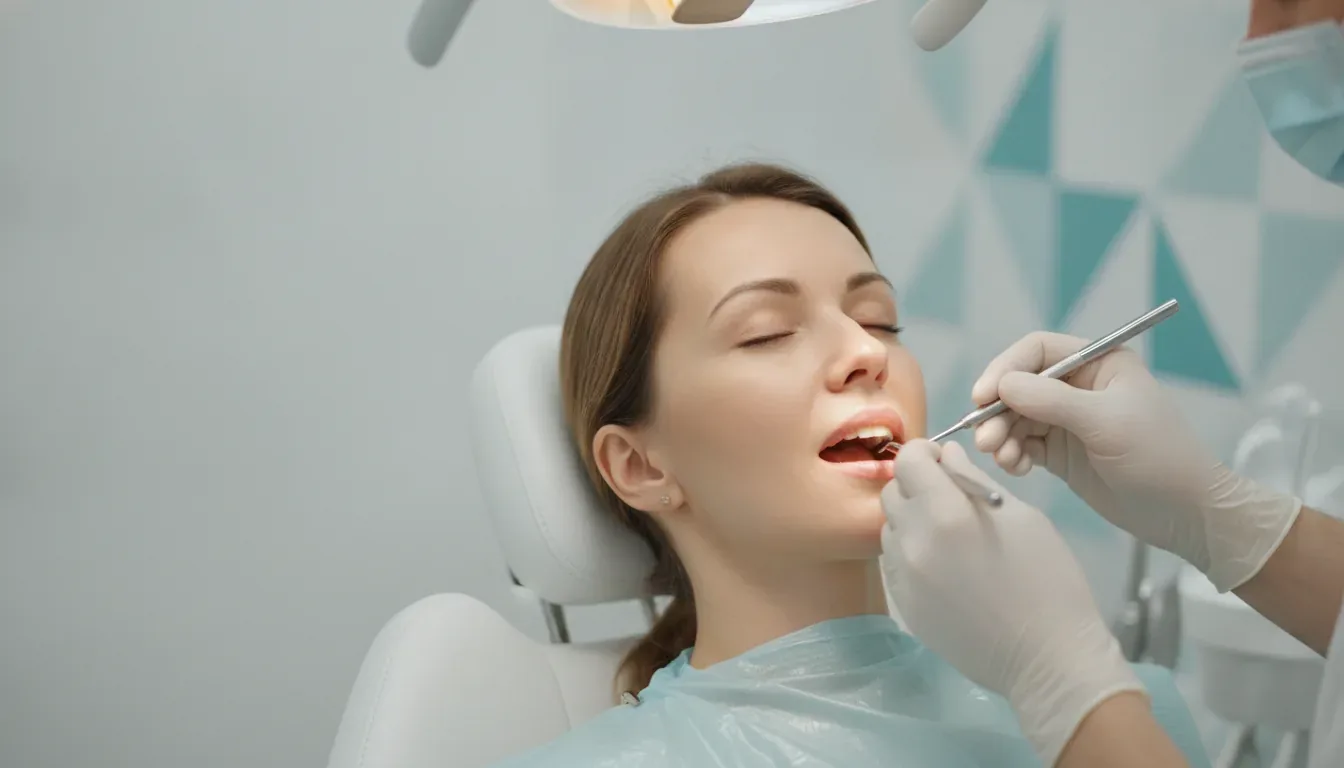
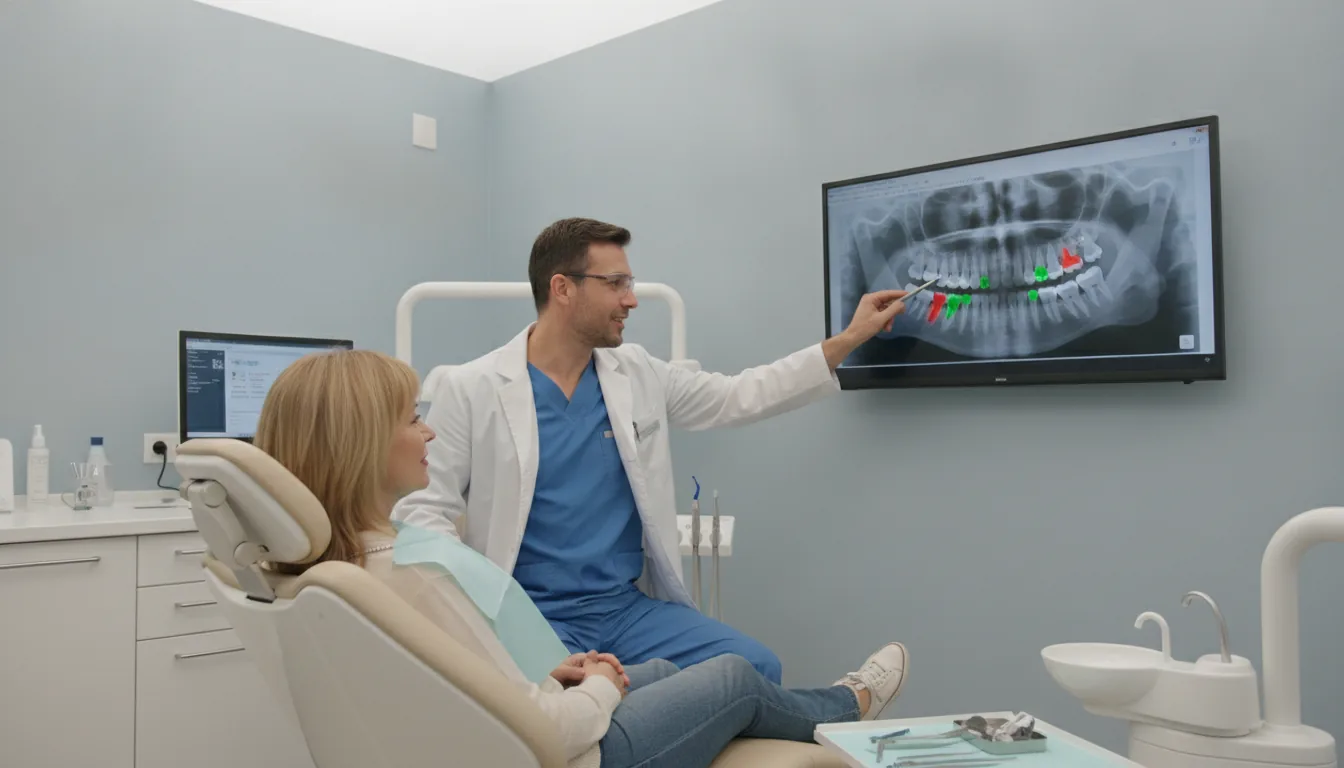
A first appointment for jaw pain is an examination, not a procedure. The dentist looks at the joints and muscles for tenderness, clicking, popping or difficulty moving, asks about grinding and stress, and checks how your teeth meet.
That description comes from the American Dental Association, through MouthHealthy, which also notes that depending on the diagnosis, the dentist may refer you to a physician or another dentist.
The same source lists what usually follows:
- Self-care and jaw exercises.
- Prescribed medication where it is appropriate.
- A night guard or bite plate.
- Bite adjustment or orthodontic treatment, only where it is indicated.
Relief usually starts with the least invasive option on that list. AAOMS, July 2023, describes similar first steps, including splint therapy and stress management counseling, and advises consulting an oral and maxillofacial surgeon when TMJ symptoms appear. It also puts surgery late in the sequence: it is considered when non-surgical treatment has not worked, or when there is clear joint damage.
You will also see laser treatment and injections advertised for TMJ pain. The NIDCR position, reviewed August 2026, is that conservative care comes first, and that the evidence behind some interventions is limited. Ask what any option is expected to do, and what happens if you leave it another month.
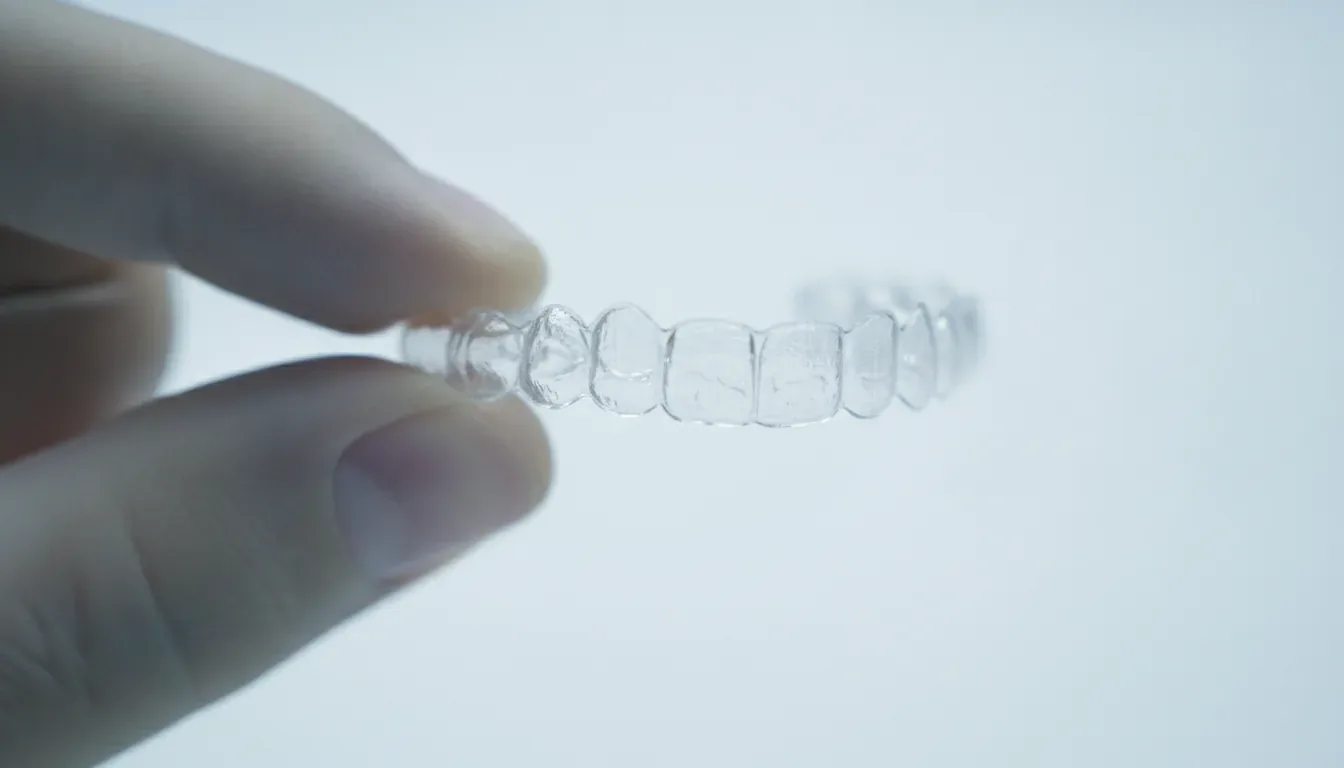
If you grind, expect bruxism to come up, because a night guard or occlusal splint is usually the next thing discussed.
Questions people ask about jaw pain and TMJ
Can you live with TMJ without surgery?
Most people with TMD manage it without surgery. AAOMS, last updated July 2023, puts the share who need surgical treatment at only five to 10 percent. Surgery is considered when non-surgical care has not worked, or when there is clear joint damage.
What medication can I take for jaw pain?
Over-the-counter anti-inflammatory medicines are the ones commonly used for relief of TMD pain, and they ease pain and swelling for many people, according to AAOMS, July 2023. This page does not give doses. Check with a pharmacist or your dentist first, especially if you already take other medicines.
Is TMJ a chronic illness?
TMD is usually temporary rather than lifelong. NIDCR, reviewed August 2026, states that signs and symptoms go away without treatment for many people. Cleveland Clinic, reviewed 22 July 2025, adds that others may need ongoing care.
Which kind of dentist or doctor treats TMJ?
Start with your own dentist, because a dental examination is how TMD is usually identified. The American Dental Association, through MouthHealthy, notes the dentist may refer you to a physician or another dentist, and AAOMS, July 2023, advises consulting an oral and maxillofacial surgeon when TMJ symptoms appear. Some people search for a TMJ and facial pain treatment center, and those exist, but a general dentist is still the usual first stop.
Can TMJ cause pain all over the body?
TMD pain can spread beyond the jaw. Cleveland Clinic, reviewed 22 July 2025, lists headaches or migraines, ear pain or ringing, tooth pain, and neck or shoulder pain among its symptoms. Pain across your whole body points to something outside the jaw, and it should be checked by a doctor.