Veneers wear, stain and loosen like anything bonded to a tooth. So the real question is how many years you get, and what decides it.
You are probably asking because the quote is not small. You want to know what that money buys, and for how long. ADA MouthHealthy says it plainly: veneers may chip, crack, wear down or loosen over time.
This guide gives you how long veneers last by material, the research behind it, and the habits that cut it short. It also tells you what to watch for, and when to call a dentist. Valley View Dental places porcelain veneers at its three offices in Romeoville, Naperville and Montgomery.
On this page
How long do veneers last
Porcelain veneers are reported to last about 10 to 15 years. Composite veneers are reported to last about 5 to 7 years. Those figures come from dental sources, not from a promise. How long does a veneer last in your mouth? That depends on your bite, your habits and the quality of the bond. For more on the treatment itself, see more on veneers.
How long will veneers last is not settled by one figure. The clinical evidence for porcelain shows ten-year survival ranging from 64% to 95% across studies (Layton, Clarke and Walton, 2012).
The 10 to 15 year range is what dental sources report, including Aspen Dental, Ballas Dental, The Dental Center, Sunset Point Dental and the Google AI Overview. Treat it as their figure, not as a Valley View Dental promise. The material you choose is the single biggest variable, so start there.
How long do porcelain veneers last
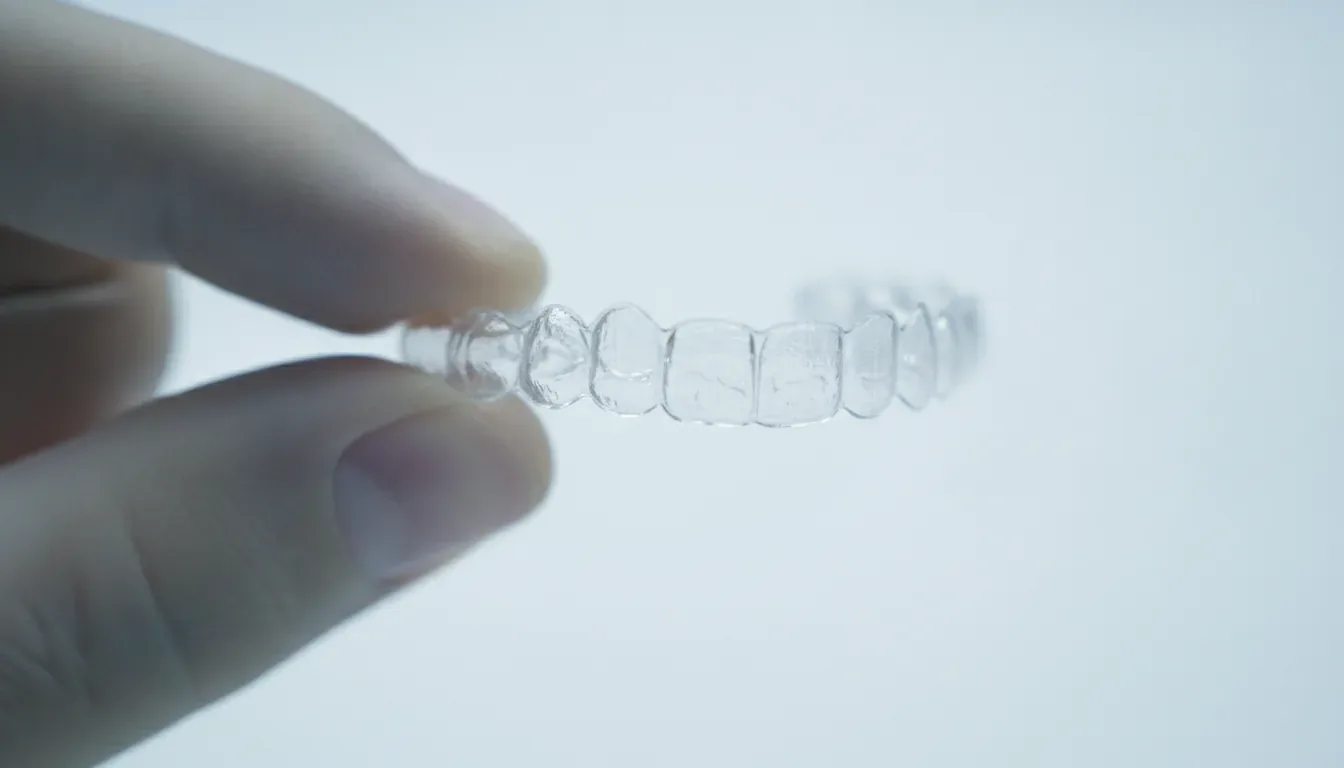
Porcelain veneers are lab-made ceramic shells bonded to the front of the tooth, and dental sources report them lasting about 10 to 15 years. Some report cases past 20 years in well-kept mouths. If you’re considering treatment, learn more on veneers before choosing a material.
ADA MouthHealthy describes porcelain veneers as strong, long-lasting and natural-looking. The material is the reason. Porcelain holds up against stain and wear better than composite resin, which the ADA describes as not as stain- or wear-resistant.
The bond matters as much as the shell. A veneer is bonded to tooth enamel, and the ADA states that tooth enamel is removed to place a veneer. The more enamel there is to bond to, the better the join holds. That is one reason two people with the same veneers get different years out of them.
Composite veneers are the lower-cost alternative, and they last fewer years.
How long do composite veneers last
Composite veneers are tooth-colored resin bonded and shaped directly on the tooth, and dental sources report them lasting about 5 to 7 years. Some report up to 10 years with good care. Those sources are Aspen Dental, Sunset Point Dental, Laurel Smiles and the Google AI Overview.
Be clear about the evidence behind each number. The porcelain figure has peer-reviewed survival data behind it. The composite figure does not.
ADA MouthHealthy describes composite veneers as tooth-colored filling material that is bonded to the tooth. Composite resin needs less enamel removal and fewer visits, and it costs less than porcelain. It is also not as stain- or wear-resistant, so it chips and picks up stain sooner.
Valley View Dental offers dental bonding with tooth-colored resin.
The years in between are what the research measured.
What does the research show at 5 and 10 years
Porcelain veneers were measured for survival in a systematic review, and about 96 out of every 100 were still in place at five years. The exact figure was 95.7%, with a 95% confidence interval of 92.9% to 98.4%.
At ten years the picture splits. Survival ranged from 64% to 95% across three studies, so one number does not hold across the research.
The review supports this timeline for how long veneers last:
- At 5 years: about 96 in every 100 veneers still in place.
- At 10 years: somewhere between 64 and 95 in every 100 still in place, depending on which study you read.
- Past 10 years: dental sources report cases beyond 20 years, but the review measured five and ten.
The review pooled 11 studies for its qualitative analysis and 6 studies, covering 5 cohorts, for the meta-analyses. Those came out of 4,294 articles screened. The source is Layton, Clarke and Walton, published in the International Journal of Prosthodontics in 2012.
Read the scope carefully. That study covered feldspathic porcelain veneers. It did not cover composite veneers, it does not cover every modern ceramic, and it does not measure Valley View Dental’s own results.
The spread is the story. A 64% to 95% range at ten years says your year count is decided by the case, the bite and the bond, rather than by a brochure number. Read that as an interpretation of the cited range.
None of it means a veneer is kept forever.
Do veneers last forever, or do they get replaced
Veneers are replaceable restorations, not lifelong ones. Expect to replace them at some point, and expect that tooth to carry a restoration from then on.
They are long-lasting. They do not last forever, and none of them comes with a lifetime. ADA MouthHealthy states that veneers may chip, crack, wear down or loosen over time, and that they are repaired or replaced when they do.
The part that cannot be undone is the tooth, not the shell. The ADA states it directly: treatment is not reversible because tooth enamel is removed to place a veneer. That enamel does not grow back.
So the tooth stays covered. When a veneer reaches the end of its life, it is replaced with a new veneer or restored with a dental crown, rather than left bare.
That is the trade you are weighing. You get a long-lasting result you can renew, in exchange for a change to the tooth you cannot reverse. A few specific habits then decide which end of the range you land on.
What shortens the life of a veneer
Grinding your teeth is the heaviest repeated load a veneer takes, and it is the habit most often blamed for chipped, cracked and loosened veneers. Aspen Dental names teeth grinding and clenching, Healthline names tooth grinding during sleep, and the Google AI Overview care block names it as well.
Here is what shortens the life of a veneer:
- Teeth grinding (bruxism) loads the veneer night after night. Healthline, Aspen Dental and the AI Overview all name it.
- Biting hard objects. ADA MouthHealthy advises against biting your fingernails and chewing on hard objects or foods. Ice, hard candy and nuts are the examples the page-one sources give.
- Using your front teeth as tools, whether that is opening packaging or holding something, loads the veneer edge (Healthline, Aspen Dental).
- Coffee and red wine are the ADA’s named examples of staining drinks to limit. Composite picks up stain sooner than porcelain.
- Tooth decay at the margin undermines the bond. The ADA’s answer is fluoride toothpaste twice a day and cleaning between your teeth daily.
- Contact sport without a mouthguard. The ADA advises wearing one during sports.
- Poor tooth preparation at the start shortens everything after it, per Healthline. Less tooth enamel left to bond to means a weaker join.
Each of those takes years off how long your veneers last.
Most of that list is habit, which puts most of it in your hands.
How do you make veneers last longer
Veneer care is the same daily routine as natural teeth, plus two extra habits, and that routine is what separates the ten-year veneer from the five-year one.
Do these to make veneers last longer:
- Brush twice a day with fluoride toothpaste, and floss or clean between your teeth once a day (ADA MouthHealthy).
- Ask your dentist about a night guard if you grind or clench in your sleep. The AI Overview care block and both leading competitor guides name it as the main protective step.
- Wear a mouthguard during sports, per the ADA.
- Keep your six-month checkup and professional cleaning (Google AI Overview care block, consistent with ADA general guidance).
- Go easy on coffee and red wine, the ADA’s named staining examples.
- Look for the ADA Seal of Acceptance on the products you buy (ADA MouthHealthy).
If you change one thing, change the grinding. It is the cause named most often across the sources above.
Care buys years. It does not stop a veneer from failing, and there are signs worth knowing.
What are the signs a veneer needs a dentist’s attention
A loose or lifting veneer is the sign that the bond is failing. Book it in rather than wait, because the tooth enamel underneath is exposed once the shell moves.
ADA MouthHealthy names four ways a veneer fails, and each one is something you can notice:
- A chip in the edge or the surface.
- A crack running through the shell.
- Wear, where the veneer looks thinner, flatter or duller than it used to.
- Looseness, where the veneer shifts, clicks or lifts away from the tooth.
Call a dentist for any of the four. Tooth decay at the margin is the one you cannot see, and it is what turns a small repair into a bigger one.
Valley View Dental offers same-day appointments and same-day emergency dental care, and is open Saturdays.
If the veneer has reached the end of its life, the next question is what replacing it involves.
What happens when a veneer is replaced
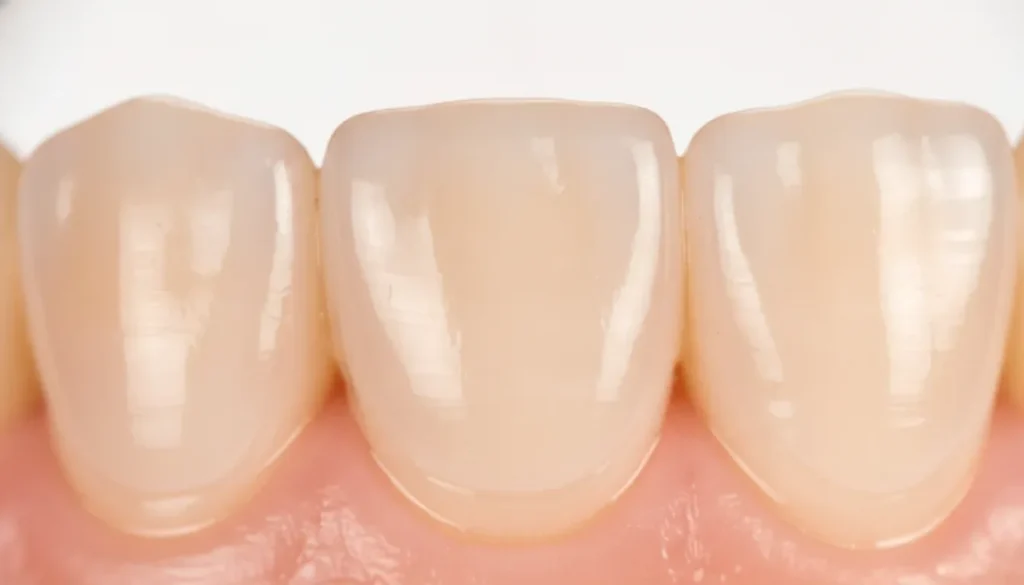
Replacing a veneer means the old shell is removed and a new one is bonded to the same tooth, and that tooth keeps a restoration from then on, because the enamel was reduced at the start. If you want to learn more about veneers before deciding on treatment, visit our veneers page.
Veneers are replaced because they may chip, crack, wear down or loosen over time, in the ADA’s words. That is the normal end of a veneer’s life.
The tooth underneath is still reduced. The ADA states that tooth enamel is removed to place a veneer and that treatment is not reversible. So the tooth is re-covered rather than left bare.
Cost is the part everyone asks about next.
What is on record is how you can pay for it. Valley View Dental works with Cherry, CareCredit, Lending Club and in-house payment plans for qualified patients. The cost of your own replacement comes from a consultation, where a dentist sees the tooth and writes you a quote.
A few shorter questions come up on the way to that decision.
Veneer lifespan – quick answers
What are the disadvantages of veneers?
The disadvantages are that the enamel removal cannot be undone, that veneers wear and need replacing, and that they do not treat decay or gum disease. ADA MouthHealthy states that treatment is not reversible because tooth enamel is removed, and that veneers may chip, crack, wear down or loosen over time.
What happens to teeth under veneers?
The tooth under a veneer has had a thin layer of enamel removed to make room for the shell. ADA MouthHealthy states that tooth enamel is removed to place a veneer and that treatment is not reversible. That tooth still needs brushing and flossing like any other. Decay at the margin, where the veneer meets the tooth, is what threatens it.
Can you bite into an apple with veneers?
Veneers are made for normal eating, and the guidance is about what to avoid rather than what is allowed. ADA MouthHealthy advises against biting your fingernails and chewing on hard objects or foods. Ice and hard candy are the examples the page-one dental sources give. If you are unsure about biting into something hard with your front teeth, cut it up first.
What is the 4-8-10 rule for veneers?
There is no clinical standard by that name in the ADA guidance or in the peer-reviewed research used for this guide. The question comes up often enough to answer plainly, and the plain answer is that no such rule turned up. What decides your result is the material, the quality of the bond and your bite.
Do veneers last a lifetime?
No. Veneers are long-lasting, not lifelong. They are replaced when they chip, crack, wear down or loosen, in the ADA’s words, and the tooth is then re-covered with a new veneer or a dental crown. The enamel removed at the start does not come back, so treatment is not reversible.
What’s the average cost of a full set of veneers?
Veneer cost depends on the material and on how many teeth you treat. Porcelain veneers and composite veneers are priced differently. Valley View Dental publishes no cash price for veneers, so you get a custom quote at a free consultation, after a dentist has looked at your teeth.
Wondering how much life your veneers have left?
Valley View Dental is a doctor-owned practice with a full team under one roof, including in-house prosthodontist Dr. Tarik Patel, serving Romeoville, Naperville and Montgomery for more than 20 years. Book a consultation to have your veneers checked and get a written quote if they need work.