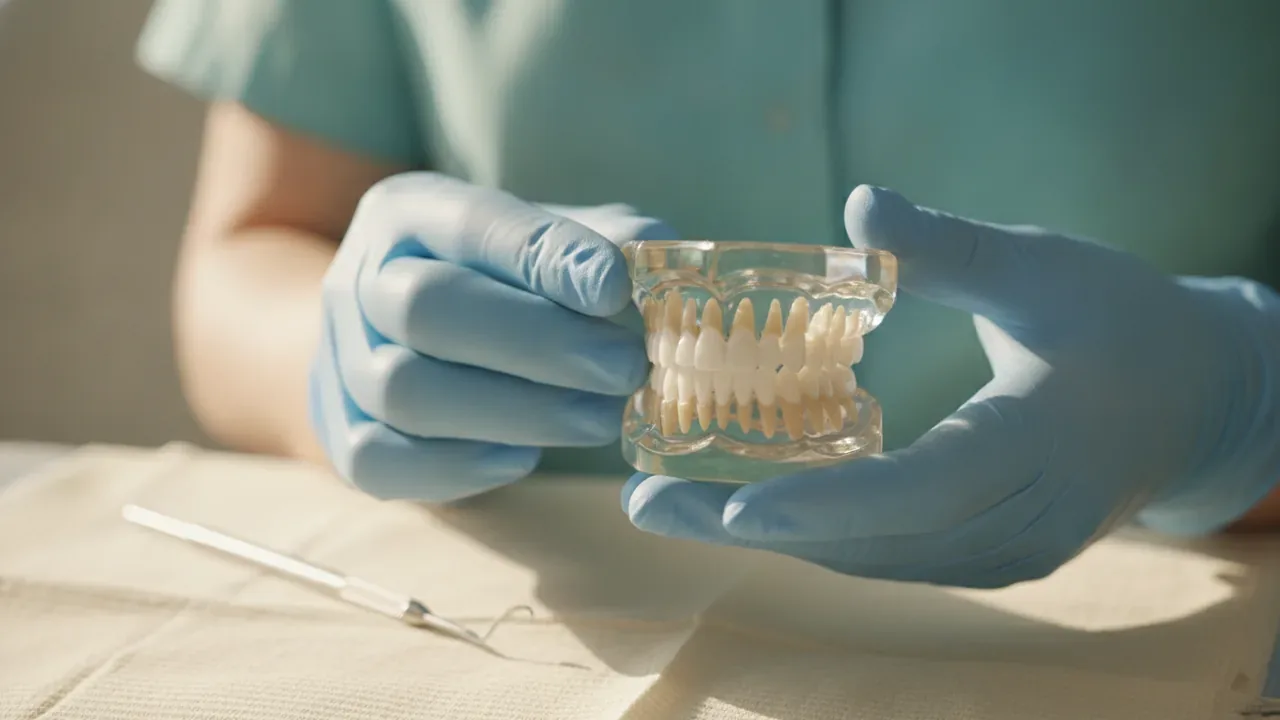
A root canal is a routine way to save a tooth, not the thing to dread. If a dentist has told you that you need one, you may feel uneasy. That is normal, especially if you have been sent from office to office or handed a large quote.
This guide shows exactly What Happens in a Root Canal, step by step. A root canal treats a tooth that is infected or badly decayed, and it lets you keep your natural tooth. Below, we cover the process in plain words: what it is, how the visit goes, whether it hurts, what it costs, and how to pick a dentist you can trust. First, here is what a root canal actually is.
The short version – what happens during a root canal
A root canal is a procedure to remove infected pulp from inside a tooth. The dentist numbs the tooth, cleans and shapes the canals, fills them, and adds a crown, usually in one or two visits.
The process follows the same basic steps every time. Each visit usually takes about an hour of chair time. The American Association of Endodontists notes the treatment can usually be completed in one or two appointments. Below is the full step-by-step, after a quick note on what a root canal is.
What is a root canal
A root canal is endodontic treatment that removes the infected or inflamed pulp inside a tooth. It clears the infection and lets you keep your natural tooth. The pulp is the soft tissue inside the tooth that holds the nerves and blood vessels. When decay or a crack reaches the pulp, it can become infected and painful. A root canal, also called endodontic therapy, cleans out that pulp and seals the space.
A general dentist can do this procedure, and so can an endodontist, a dentist who focuses on treating the inside of the tooth. The process is routine and well understood. After the pulp is removed, the tooth is restored with a filling or a crown so it can work normally again. The American Association of Endodontists reports that millions of teeth are treated and saved this way each year. Here is what those steps look like on the day of treatment.
What happens during a root canal, step by step
A root canal follows the same eight basic steps, from numbing the tooth to restoring it with a crown. Your dentist numbs the tooth with a local anesthetic, so the tooth is quiet before any work begins. From there, the procedure moves through a clear set of steps, and the process is the same for most teeth. A general dentist or an endodontist can perform them.
- Numb the tooth with a local anesthetic.
- Place a dental dam, a small sheet that keeps the tooth clean and dry.
- Make a small opening in the top of the tooth.
- Remove the infected pulp.
- Clean and shape the canals with small dental files.
- Fill the canals with gutta-percha, a rubber-like material.
- Seal the tooth with a temporary filling.
- Restore the tooth with a filling or a crown, often at a later visit.
Each canal is cleaned and shaped in turn, which is the part that takes the most time. The crown step protects the tooth so it can handle daily chewing. At Valley View Dental, a crown can sometimes be made in-house with CEREC, often in one visit. This sequence follows the procedure described by Delta Dental and Cleveland Clinic (2026). Next, here is how you would know you need this in the first place.
How do you know if you need a root canal
A root canal may be needed when infection or damage reaches the pulp inside a tooth. Common signs include lasting pain, sensitivity to hot or cold that lingers, swelling, or a darkening tooth. There are a few clear ways to know if a tooth is in trouble. Other warning signs are pain when you bite down, tender or swollen gums, or a small pimple on the gum. A deep infection can also form an abscess, a pocket of infection at the root.
Not every toothache means a root canal. Only a dentist can confirm it, usually with an exam and an X-ray. If you have swelling, a fever, or pain that is spreading, see a dentist promptly.
You can lower the risk in the first place. Treating decay early and keeping regular checkups help you prevent or avoid a root canal, though not every case can be stopped. Signs and symptoms come from Cleveland Clinic and Delta Dental (2026). If you do need one, here is what it feels like and how long it takes.
Does a root canal hurt, and how long does it take
A root canal is done with a local anesthetic, so it usually feels like getting a filling. You may feel pressure during the procedure, and the tooth can be sore for a few days after. The visit is kept gentle, and the team works without judgment about how the tooth got this way.
The time in the chair is usually about 60 to 90 minutes. Some teeth need more than one visit, depending on the tooth and the number of canals. After treatment, most people feel better in less than a week.
To manage soreness after the visit, you can treat mild pain at home with over-the-counter pain relief and soft foods. Avoid chewing on the treated tooth until it is fully restored. Call your dentist if the pain grows instead of easing. Comfort and time figures come from AAE and Cleveland Clinic (2026). That leaves the question most people worry about next: what it costs and your options.
What does a root canal cost, and what are your options
The cost of a root canal depends on the tooth and whether a crown is needed after. A front tooth with one canal is simpler than a back molar with several. Because of that, the honest way to get a real number is a written estimate at a consult, not a figure off a chart. The procedure cost is only part of the picture.
At Valley View Dental, the exam and a written quote come from a free consult, so you see the cost before you commit. Ask your dentist to lay out your options in writing.
Payment plans are available through Cherry, from Cherry financing is subject to approval and its terms. Most major PPO plans accepted, and the office can check your plan before you decide.
Two more things shape the total. After a root canal, the tooth usually needs a crown to protect it, so ask whether that is included. The main alternative is removing the tooth and replacing it, which a dentist can compare with a root canal for your case. An endodontist can also weigh in on a complex tooth. That raises the last question: how to choose who does the work.
How do you find a good dentist for a root canal (and spot a shady one)
A good dentist explains the plan and the cost before starting, and can treat the tooth in-house. Warning signs of a shady one are pressure to decide today and a quote with no written detail. You can know a lot about an office from how it quotes. If someone rushes you or will not put the plan in writing, slow down.
Signs of a good dentist
- Gives you a written estimate you can take home.
- Explains your options and answers questions without rushing you.
- Can handle a complex tooth in-house, or has a specialist on the team.
Red flags to watch for
- Pressure to decide or pay the same day.
- No written treatment plan.
- An upsell to costly work with no offer of a second opinion.
For a root canal, ask one simple question: will the work stay in this office, or will I be sent elsewhere? Being referred from office to office is where cost and stress pile up. Valley View Dental keeps care under one roof, with an in-house endodontist, Dr. Fuwad Al-Sabek, so most cases do not need a referral.
The practice is doctor-owned and has served the area for 20 or more years, with a 4.9 star rating across about 2,266 reviews. If you want a second read on a big plan, ask whether a second opinion is available before you agree to anything. A few quick questions still come up, so here are the answers.
Frequently Asked Questions
How do you prepare for a root canal?
A root canal needs little prep. Eat a normal meal beforehand, take your usual medication as always, and plan a calm morning so you are not rushed. Tell the office about any health conditions or medicines when you book.
Can you prevent or avoid a root canal?
A root canal is sometimes avoidable. Treating decay early and keeping regular checkups lower the risk that an infection reaches the pulp. Once the pulp is infected, though, a root canal is usually the way to save the tooth.
How long does a root canal take?
A root canal usually takes about 60 to 90 minutes. Some teeth need two visits, depending on the tooth and the number of canals. If a crown is added, that may be a second visit.
How do you manage pain after a root canal at home?
Pain after a root canal is usually mild and short. Over-the-counter pain relief and soft foods usually help you treat it at home. Call your dentist if the pain grows instead of easing.
How do you say root canal in Spanish?
In Spanish, a root canal is “tratamiento de conducto,” also called “endodoncia.”
What happens in a root canal, in short
Now you know what happens in a root canal, step by step. The dentist numbs the tooth, places a dental dam, opens the top, removes the infected pulp, then cleans, shapes, fills, and seals the canals before restoring the tooth with a crown. It follows the same eight steps nearly every time, takes about 60 to 90 minutes in the chair, and feels much like getting a filling under local anesthetic. Most people are back to normal in less than a week. The whole point is simple: clear the infection and keep your natural tooth.
If a tooth has been hurting, you do not have to guess or feel rushed. A good dentist explains the plan and the cost in writing before any work starts. At Valley View Dental, an in-house endodontist, Dr. Fuwad Al-Sabek, handles even complex cases under one roof, so you are not sent from office to office. Book a free consult for a written estimate before you commit to anything. Call (630) 509-7933.