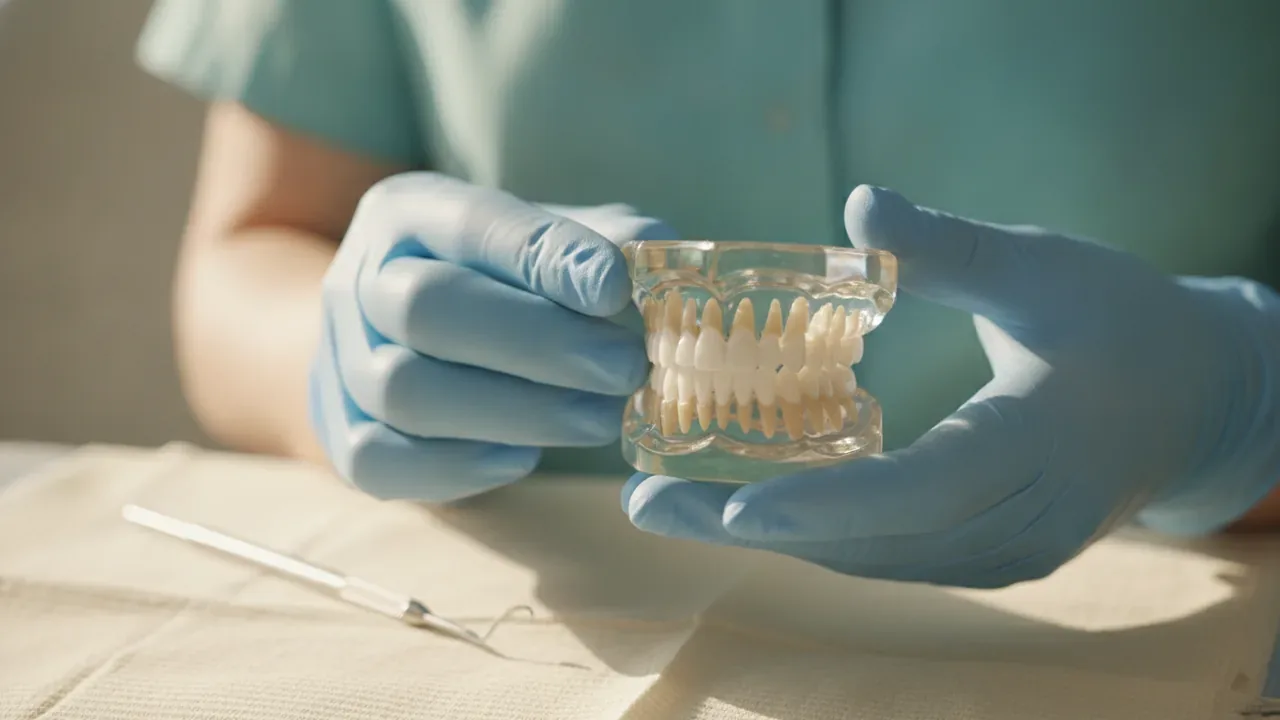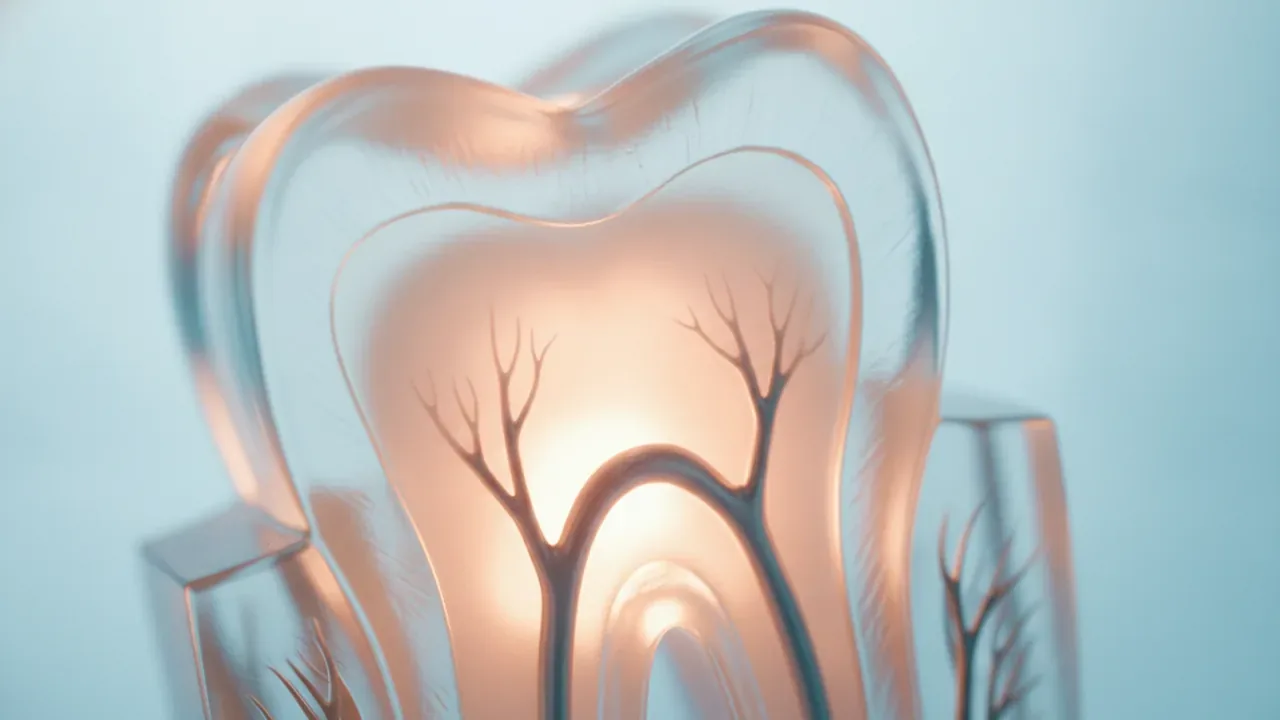
Pain in Your Back Teeth, behind your last teeth and near the jaw or up toward the cheek, usually has one of a few ordinary causes, and most are fixable. If this is you, take a breath. You do not need to fear the worst. Pain in your back molars is common, and there is a clear way to work out what is going on. This guide comes from a family dental practice that has served Chicago’s suburbs for more than 20 years. Here is the short version first, so you can act.
The short version: what does pain at the back of your mouth usually mean
Pain at the back of your mouth most often comes from a wisdom tooth, deep decay in a back molar, a gum infection, sinus pressure, or jaw clenching. These are the usual reasons back teeth hurt, and most are treatable once a dentist finds the source. Get same-day dental care if the pain comes with facial swelling, a fever, trouble swallowing or opening your jaw, or if it wakes you at night. Below, the causes one by one.
Table of Contents
What does pain in your last teeth usually turn out to be
Pain in your last teeth usually traces to one of five or six common causes. Most are everyday dental problems, not emergencies. Here they are in plain terms:
- Wisdom teeth (third molars): the last teeth to come in, often with little room, so they press or trap food.
- An impacted tooth: a wisdom tooth stuck partly under the gum, which can ache or get sore.
- Pericoronitis: an infection of the gum flap over a partly erupted wisdom tooth.
- Tooth decay in a back molar: when decay reaches the nerve it is called pulpitis, and the tooth may need a root canal.
- A cracked molar: pain when you bite down or let go.
- A gum infection: swelling or a pocket at the back gum line.
- Maxillary sinus pressure: your sinuses sit above the upper back teeth, so pressure there can feel like tooth pain.
- Jaw clenching or TMJ: strain in the muscle and joint near your back teeth.
The most common culprit at the very back is a wisdom tooth.
Why do my wisdom teeth or very back teeth hurt
A wisdom tooth is the last molar to come in, usually in your late teens or twenties. There is often too little room, so it stays partly under the gum and aches. This is called an impacted wisdom tooth. Wisdom teeth sit at the very back, top and bottom, which is why the pain feels so far back. When a tooth is only partially erupted, a flap of gum can cover part of it. Food and bacteria get trapped under that gum flap, and it becomes infected. Dentists call this pericoronitis. The signs are pain, swelling, a bad taste, and sometimes trouble opening your jaw (American Association of Oral and Maxillofacial Surgeons). A third molar that keeps flaring up often needs attention. But not all back-tooth pain is a tooth.
Could it be my sinus, not my tooth
A sinus infection sits right above your upper back teeth, so sinus pressure can feel exactly like a back-tooth ache. The Mayo Clinic notes that pain in the upper back teeth is a fairly common symptom with sinus conditions. This is called sinusitis, and it involves the maxillary sinus, the large air space above your upper molars. A few signs point to sinus rather than a tooth. Sinus pain often hits several upper teeth at once, not just one. It tends to get worse when you bend forward. It usually comes with a stuffy nose or a head cold. The Mayo Clinic advises seeing a dentist first to rule out a dental cause, then a physician for the sinus. Next, what you can do at home right now.
What can you do at home right now
A warm salt-water rinse is the simplest first step. It can ease a sore back gum while you arrange a visit. The American Dental Association suggests a gentle rinse to clean and soothe the area. A cold compress on your cheek can help with swelling. Over-the-counter pain relief can take the edge off; follow the label, and do not take more than it says. Gently clean the sore side and the teeth around it with a soft brush and dental floss, and try not to chew on that side. None of this replaces a visit. It buys you a little time until you can see a dental professional. A word of warning, though: some home remedies can make things worse.
What should you not do
Aspirin held against the gum is a common myth. It can burn the tissue, so do not do it. Take pain relief by mouth as the label says instead. Do not take leftover or borrowed antibiotics. They are not a fix, and a dentist still has to find which tooth or teeth are involved. Do not poke or pick at the gum flap over a wisdom tooth. That can make the infection worse. And do not ignore facial swelling or a fever. Those can signal a spreading infection, and that is not something to wait out. If you see them, call a dental office the same day. So what does a dentist actually do to find the cause?
How does a dentist find and fix the cause
A dentist starts by finding the source. That means a dental exam plus digital X-rays or 3D panoramic imaging to locate the problem, before anyone talks about treatment. Only then do they walk you through options. A decayed back molar might need a filling, or a root canal if the nerve is involved. A problem wisdom tooth might need a cleaning under the gum flap, or a tooth extraction. Some wisdom teeth are removed; others are simply watched. At Valley View Dental, an in-house endodontist and an in-house oral surgeon work under one roof. So a back-tooth problem, whether it calls for a root canal or a wisdom tooth removal, is handled in one place. Some pain, though, cannot wait.
When should back-of-mouth pain be seen the same day
Some back-of-mouth pain needs same-day care. That is when it comes with facial swelling, a fever, trouble swallowing or opening your jaw, or pain spreading across your back teeth. Call a dental office the same day if you notice any of these:
- Severe pain that wakes you up, or pain that comes with swelling.
- A broken or loose tooth.
- A mouth infection with a painful bump, pus, or spreading swelling.
- Bleeding that does not stop after 10 to 15 minutes.
Valley View Dental provides same-day emergency dental care whenever possible. If you are not sure, call anyway. A quick conversation helps you decide whether to come in now, book the next visit, or ease it at home. Now, a few quick questions.
Frequently Asked Questions
Does back tooth pain go away on its own?
Back tooth pain can ease for a while, but the cause usually stays. Get it checked so a small problem does not grow into a bigger one.
How can I tell tooth pain from sinus pain?
Sinus tooth pain usually hits several upper teeth at once and gets worse when you bend forward. A single sore tooth is more likely a dental problem.
How long should I wait with wisdom tooth pain?
Do not wait if wisdom tooth pain comes with swelling, a fever, or a bad taste. Otherwise, book the next available visit rather than letting it drag on.
Should I go to the ER or a dentist?
See a dentist for the tooth itself. Go to the emergency room for trouble breathing or swallowing, or swelling spreading toward your eye or neck.
Pain in your back teeth, in short
Now you have a clear way to work out pain in your back teeth. Most of the time it traces to one of a few ordinary causes: a wisdom tooth with too little room, deep decay in a back molar, a gum infection like pericoronitis, sinus pressure sitting above your upper teeth, or jaw clenching. Sinus pain tends to hit several upper teeth at once and worsen when you bend forward, while a single sore tooth is more likely a dental problem. A warm salt-water rinse, a cold compress, and over-the-counter pain relief can buy you time, but none of them find the source.
Some pain, though, should not wait. Facial swelling, a fever, trouble swallowing or opening your jaw, or pain that wakes you at night means same-day care. At Valley View Dental, an in-house endodontist and an in-house oral surgeon work under one roof, so a back-tooth problem is handled in one place, whether it needs a root canal or a wisdom tooth removal. If you are not sure, call anyway. Call (630) 509-7933.