Braces and clear aligners both straighten teeth. The right one depends on your case, not on what earns us more. If you are weighing braces against Invisalign, you want a straight answer, not a sales pitch. This guide gives you one.
At Valley View Dental, orthodontics is in-house. You get both braces and Invisalign under one roof. We have served Romeoville, Naperville, and Montgomery for more than 20 years. Whether you are one of many adults weighing this, or a parent of a teen, the goal is the same. Help you understand your options, then point you to the short answer.
Braces or Invisalign – what is the short answer for adults and teens
Invisalign uses clear, removable aligners, and it usually suits mild to moderate cases and adults who want it discreet. Braces handle complex bite and rotation cases and need no daily discipline, which suits many teens.
That is the short version. An orthodontist confirms the right fit after looking at your teeth. Below, we break down how braces and clear aligners actually differ.
Table of Contents
What is the real difference between braces and clear aligners
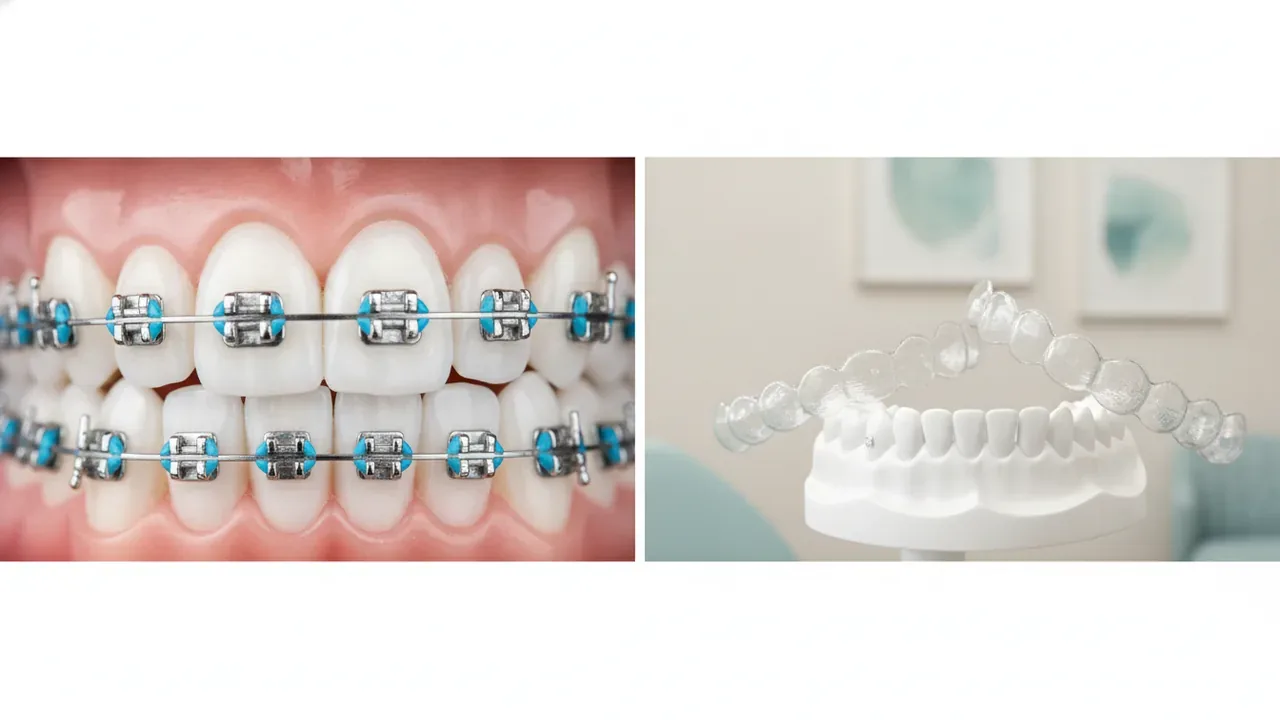
Braces use fixed metal brackets and wires. They move teeth with steady pressure and stay on until treatment ends. You cannot take them off at home.
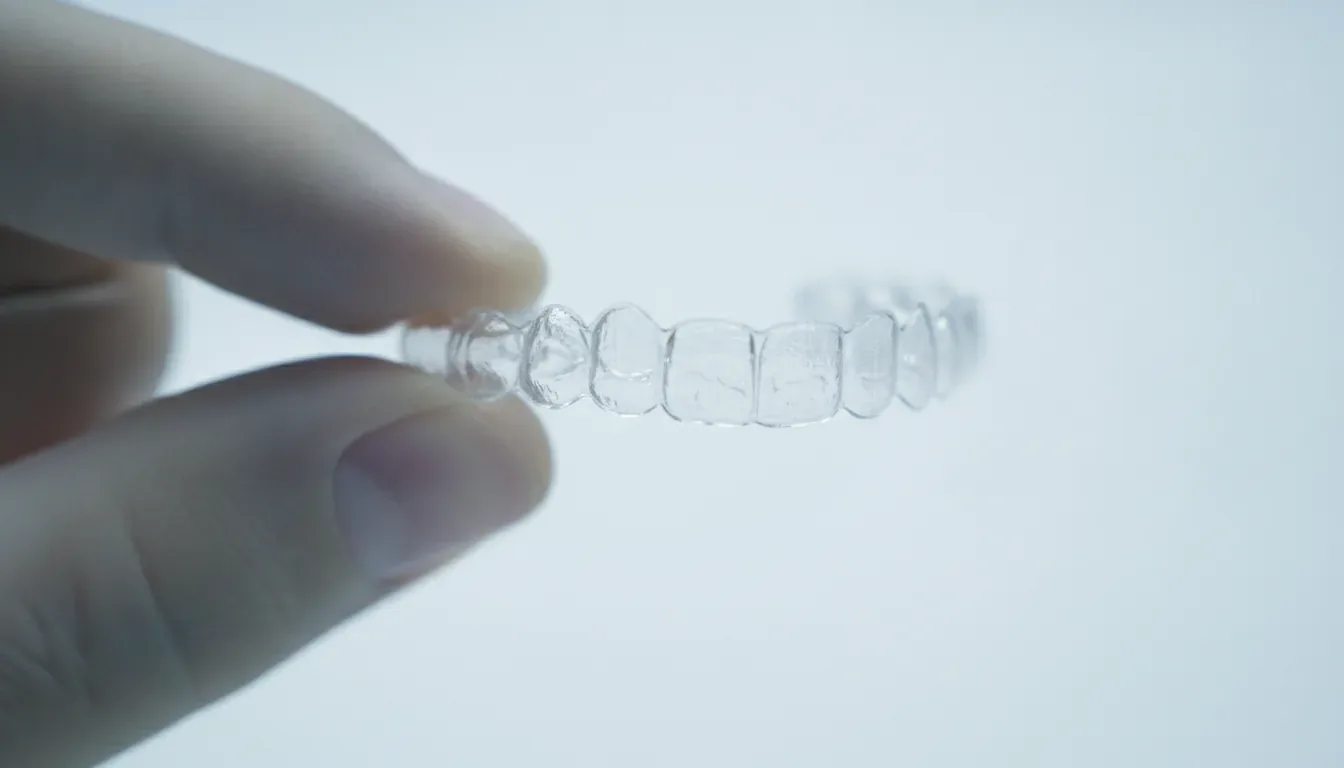
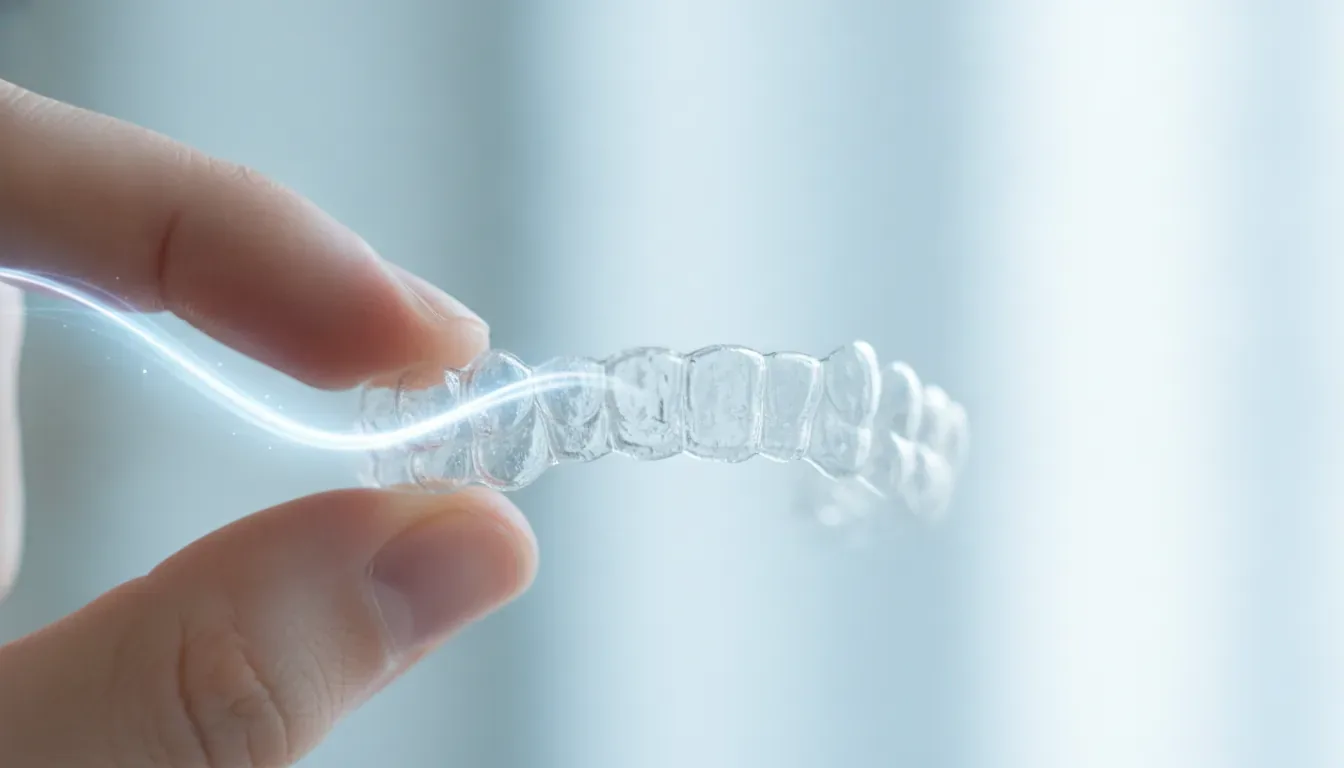
Clear aligners work differently. They are a series of removable, nearly invisible trays that move teeth in small steps. Invisalign, made by Align Technology, is a well-known brand of clear aligners. You swap each tray for the next as your teeth shift.
Both are tools of orthodontics. Both can give predictable results for children, teens, and adults. After treatment, retainers hold your teeth in their new position. Braces and clear aligners differ most in cost, time, and daily life.
How do braces and Invisalign compare on cost, time, and daily life
Braces and Invisalign differ on five things that matter: cost, treatment time, visibility, daily upkeep, and the cases each handles. Here is the plain comparison.
| Factor | Braces | Invisalign (clear aligners) |
|---|---|---|
| Cost | Cash price by custom quote at a free consult. | Financing from $132/mo* on approved credit via Cherry. Full-course cash price by custom quote at a free consult. |
| Treatment time | cite AAO/ADA range, dated | cite AAO/ADA range, dated |
| Visibility | Fixed and visible. Clear or ceramic options reduce this. | Nearly invisible. |
| Daily upkeep | Fixed, so no removal. Brush and floss around the brackets. | Removable. Worn about 20 to 22 hours a day (the 22-hour rule). |
| Cases each handles | Complex bite and rotation cases. | Mild to moderate cases. Discreet preference. |
*Payments shown are estimates on approved credit via Cherry. Subject to terms.
An orthodontist gives you the exact numbers for your case. Next, when each one wins.
When are traditional braces the better choice
Braces are the stronger option for complex bite problems, large rotations, and patients who will not keep aligners in all day. They stay fixed to your teeth, so results do not depend on daily discipline. In orthodontics, braces remain a workhorse for hard cases.
Braces tend to win when:
- your bite needs major correction
- teeth are badly rotated or crowded
- a child or teen may forget to wear trays
- your case needs steady force over a long treatment
An orthodontist confirms this after an exam. For some people, the discreet, removable alternative is the better path.
When is Invisalign the better choice
Invisalign is the better fit for mild to moderate cases. It also suits adults who want treatment that is hard to see and easy to remove for meals. The clear aligners come out for eating, brushing, and flossing.
Invisalign tends to win when:
- your crowding or spacing is mild to moderate
- you want a discreet alternative to metal braces
- you play a wind instrument or a contact sport
- you will wear the trays as directed
Many adults pick it for this reason. Valley View Dental describes clear aligners as “perfect for professionals and active lifestyles. One common question is whether age changes the answer.
Is Invisalign or braces better for adults
Adults are not too old for either option. Healthy teeth and gums matter more than age. If your gums and bone are healthy, you can straighten your teeth at 30, 45, or beyond.
Many adults choose Invisalign clear aligners. They are discreet and removable, which fits work and social life. Braces still win for adults with complex bites or heavy crowding. An orthodontist weighs your gum health, your bite, and your goals. The same questions come up for teens.
Is Invisalign or braces better for teens
Teens can do well with either. The deciding factor is whether the teen will wear aligners the full day. Invisalign clear aligners only move teeth when they are in the mouth.
For a teen who may forget, braces are the more reliable pick. They are fixed, so results do not depend on daily discipline. For a disciplined teen, or one who plays sports or a wind instrument, clear aligners work well. Success depends on consistent 20 to 22 hour daily wear. An orthodontist helps parents judge this. Each option carries trade-offs and risks worth knowing.
What are the risks and trade-offs of each option
Every orthodontic option has trade-offs. Braces need more in-office visits and careful cleaning. Aligners only work while you wear them. That is true across orthodontics.
Braces trade-offs:
- more visits for adjustments
- harder cleaning around brackets and wires
- some diet limits, like hard or sticky foods
Invisalign trade-offs:
- the clear aligners only work when worn
- they need discipline, about 20 to 22 hours a day
- they are not right for every case
Both can give long-lasting results once treatment is finished and you wear your retainers. The plain way to choose is to let a dentist look at your case.
How does a dentist decide which option is right for your case
A dentist starts with your bite, your teeth, and your goals, not with a product. Then a dentist explains the options in plain terms before anything begins. Good orthodontics starts with your needs, not a sales target. That is how you avoid paying for work you do not need.
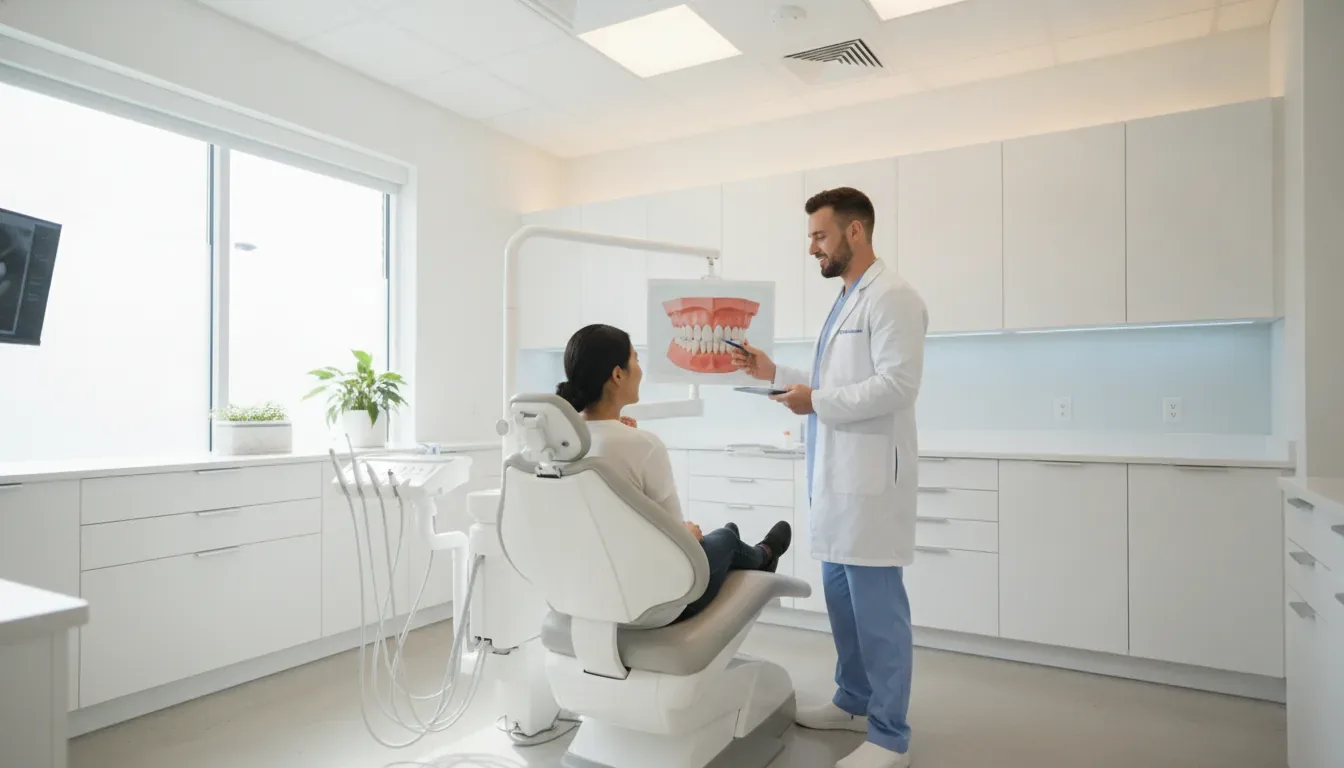
Here is what to expect at Valley View Dental. An in-house orthodontist examines your teeth and bite. You get both braces and Invisalign under one roof, with no referral out. The orthodontist explains what your case needs and why. If retainers will follow, that is explained too.
The practice has served Romeoville, Naperville, and Montgomery for more than 20 years. Below are quick answers to common questions.
Frequently Asked Questions
How much does Invisalign cost in Illinois?
Invisalign cost depends on your case, so there is no single price. At Valley View Dental, financing starts from $132/mo* via Cherry. *Payments shown are estimates on approved credit via Cherry. Subject to terms.
Is there an ideal age for Invisalign?
There is no single ideal age for Invisalign. Teens and adults both qualify with healthy teeth and gums. Braces are also an option at any of these ages.
Is 35 too old for Invisalign?
No, 35 is not too old for Invisalign. Age is not a barrier for healthy adults.
Does my insurance cover Invisalign?
Many major PPO plans include orthodontic benefits. Coverage is per plan, so check yours. We accept most major PPO plans.
Why do people quit Invisalign?
People usually quit Invisalign because of inconsistent wear. The clear aligners only work when worn about 20 to 22 hours a day.
Braces or Invisalign: the honest verdict
Now you have a straight answer on braces or Invisalign. Invisalign uses clear, removable aligners and suits mild to moderate cases and adults who want treatment that is hard to see, but it only works when you wear the trays 20 to 22 hours a day. Braces stay fixed to your teeth, so they handle complex bites and heavy rotations, and they need no daily discipline, which makes them the more reliable pick for a teen who might forget. Age is not the deciding factor for either. Healthy teeth and gums matter far more than the number on your birthday.
The right choice depends on your case, not on what earns a practice more. That is where we come in. At Valley View Dental, orthodontics is in-house, so you get both braces and Invisalign under one roof, and an orthodontist examines your bite and explains what your case actually needs before anything begins. Call (630) 509-7933 or book a free consult to find out which one fits you, with the exact numbers for your case in writing.