You want a better smile, and you want to know what it really takes: how many visits, how long, and what it costs. This guide walks through every stage of a smile makeover, in the order it happens, so you can plan around a real date.
What is a smile makeover, in short
A smile makeover is a planned set of cosmetic dentistry procedures done in a set order, not one single treatment. The process may combine teeth whitening, dental bonding, and porcelain veneers into one treatment plan. Most makeovers take three to six months from start to finish (College Hill Dental). A whitening-only plan runs much shorter. Below, what cosmetic dentistry includes, and what each stage adds.
Table of Contents
What is a smile makeover, and what does cosmetic dentistry include
Cosmetic dentistry is dental work that improves how your smile looks, sometimes alongside work that restores how it functions. A smile makeover combines several of these procedures into one plan. The Cleveland Clinic describes cosmetic dentistry as care that focuses on improving the appearance of your smile.
Common cosmetic procedures include teeth whitening, dental bonding, porcelain veneers, tooth contouring, and gum contouring (Cleveland Clinic). At Valley View Dental, dental bonding uses tooth-colored composite resin to correct chips, cracks, or gaps, often in one visit. Porcelain veneers are thin porcelain shells. They cover the front of your teeth to improve shape, color, and alignment. Teeth whitening uses professional Opalescence whitening systems to lift deep stains.
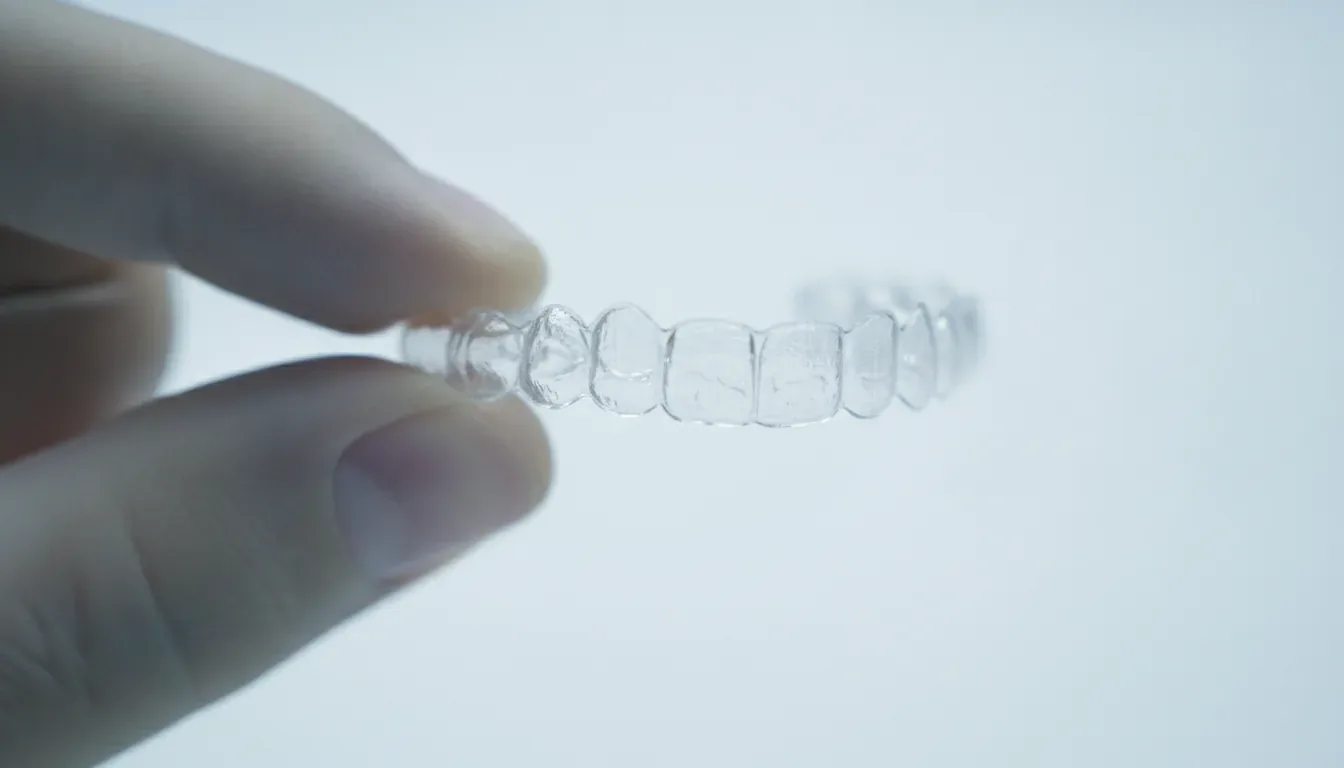
Some makeovers also add a dental crown, Invisalign or other clear aligners, or a dental implant to replace a missing tooth. Tooth contouring and gum contouring reshape enamel or the gumline; enamel does not grow back, so these are planned with care. A single procedure fixes one thing. A smile makeover plans several treatments together, in the right order (College Hill Dental). Next, the stages you go through.
What happens step by step in a smile makeover
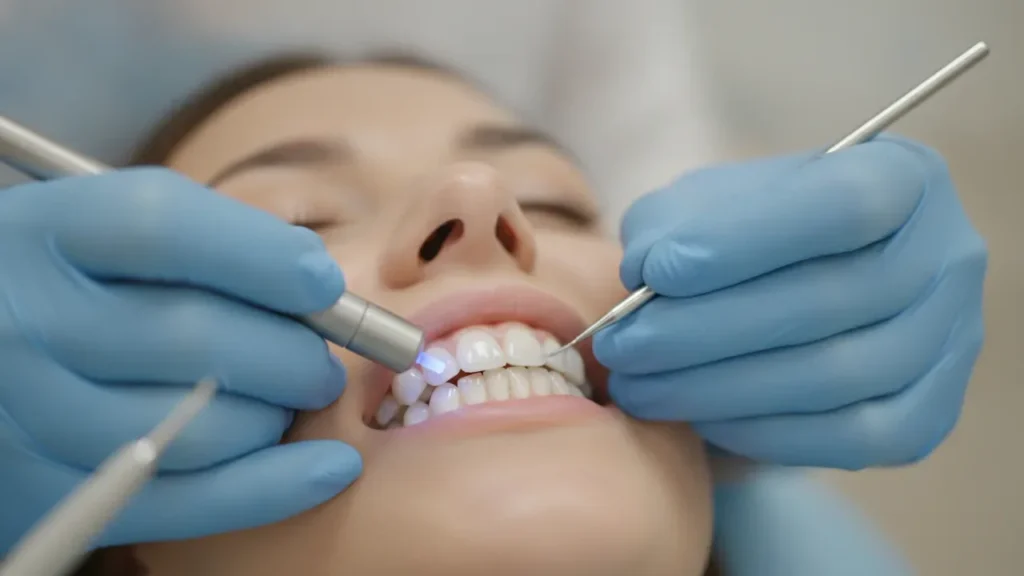
A smile makeover runs in stages. It starts with a consultation and a health check before any cosmetic work. Each stage of the process has a clear purpose you can follow on a calendar. Most plans move through six to eight stages, though few people need every procedure.
- Consultation. Your dentist reviews your goals and checks your oral health with digital X-rays and 3D panoramic imaging, then builds your treatment plan.
- Foundation work. Any gum disease or tooth decay is treated first, often with a deep cleaning. Gum inflammation changes how your gumline looks, so it comes before cosmetic steps (College Hill Dental).
- Extractions or implants. If a tooth cannot be saved, a tooth extraction or a dental implant is planned. These steps use local anesthesia, with gentle, judgment-free care.
- Teeth whitening. Whitening is done before any restorations, so your final shade is set first (College Hill Dental).
- Straightening. If teeth need to move, Invisalign or other clear aligners come next.
- Gum contouring. Where the gumline needs reshaping, this stage is done before the final restorations (College Hill Dental).
- Restorations. Now the porcelain veneers, a dental crown, or dental bonding go on. CEREC same-day crowns can often be done in one visit.
- Final adjustments. A bite adjustment and one or more follow-up visits fine-tune the result (College Hill Dental).
You will not need every stage. Your plan depends on where you start. That order is not random, and here is why it matters.
Why does the order of the treatments matter
The order of a smile makeover matters because each stage changes the conditions for the next one. Getting the sequence right is what makes your final result match.
Teeth whitening comes before porcelain veneers and a dental crown. Restorations do not change color once they are made. Whiten afterward and your natural teeth get brighter while your veneers stay the same (College Hill Dental). Set the shade first, and everything blends.
Straightening comes before veneers too. Aligned teeth often need fewer veneers and put less stress on them (College Hill Dental). So Invisalign or clear aligners run before the porcelain, not after.
A dental implant is scheduled early. It needs months of healing, and other stages can run during that time (College Hill Dental). Gum disease is treated before anything cosmetic, because inflammation changes how your gumline looks.
A shade match, composite resin repairs, and the whole cosmetic process, procedure by procedure, depend on sequence. A makeover split across three offices can lose that thread. Valley View Dental keeps an orthodontist, prosthodontist, oral surgeon, and endodontist in-house, so the stages are scheduled under one roof with no referrals. All of that adds up on the calendar.
How long does a smile makeover take
A smile makeover most often takes three to six months, from your first visit to your last adjustment (College Hill Dental). A whitening-only or bonding-only plan can finish in a visit or two. How long your own process runs depends on which procedures you need.
Here is how the stages break down:
- Teeth whitening: an in-office session takes about 30 minutes to an hour (Gentle Dental). As a makeover stage, whitening runs about one to three weeks (College Hill Dental).
- Dental bonding: a single visit (Valley View Dental; College Hill Dental).
- Porcelain veneers and a dental crown: about two to three weeks of lab time after your teeth are prepared (College Hill Dental). CEREC same-day crowns can often be done in one visit.
- Braces or clear aligners like Invisalign: about three to twelve months within a makeover plan (College Hill Dental).
- A dental implant: about three to six months of healing, called osseointegration, before the final tooth goes on (College Hill Dental).
- Gum contouring: about two to six weeks to heal (College Hill Dental).
- Final adjustments: one to three follow-up visits (College Hill Dental).
If you have a wedding or a job interview coming up, share the date at your consult. It tells your dentist which stages fit the time you have. Whether your own case fits comes down to a few things.
Are you a candidate for a smile makeover
A good smile makeover candidate has healthy gums and teeth that are sound enough to build on. An exam and imaging at a consultation confirm which treatments fit your case.
Most people who seek cosmetic dentistry want to fix chipped teeth, cracked teeth, gaps between teeth, misaligned teeth, or tooth discoloration (Cleveland Clinic). A smile makeover can address all of these. Where a tooth is missing, a dental implant can join the plan too.
A few things need attention first. Active gum disease or tooth decay is treated before any cosmetic work begins (College Hill Dental). Thin or damaged tooth enamel can rule out porcelain veneers and point toward a dental crown or bonding instead. That is what a candidacy check sorts out.
Worried you are too old? You are not. Adults can be treated at any age, and there is no upper age limit on cosmetic dentistry. Clear aligners are used well beyond the mid-thirties (ADA). Healthy gums and teeth matter far more than the number on your birthday.
Your dentist confirms candidacy and builds your treatment plan at the consult. Once you know a plan fits, the next questions are comfort and how long results last.
What can you expect during treatment, and how long do the results last
Most cosmetic dentistry appointments numb the area with local anesthesia where the work needs it. Many stages, like teeth whitening, need no numbing at all. Recovery depends on the procedure, and most people go back to normal the same day. These are the parts of a smile makeover people ask about most.
The Cleveland Clinic puts it plainly: someone who has dental bonding on one tooth can return to normal activities right away, while someone who has gum contouring may need a couple of days off work. Some tooth sensitivity after whitening is common and short-lived (ADA). Your aftercare and any sensitivity are handled over one to three follow-up visits, along with a bite adjustment if you need one. If you grind your teeth, your dentist may fit a night guard to protect the work.
Here is how long results tend to last, as ranges reported by the Cleveland Clinic:
- Teeth whitening: about 6 months to 3 years.
- Dental bonding: about 5 to 8 years.
- Porcelain veneers: about 5 to 15 years.
These are long-lasting results, not one-time fixes, though none are forever. Tooth contouring and gum contouring cannot be reversed, because enamel and gum tissue do not grow back. Good daily care and regular checkups help your results last. That leaves the question everyone asks: what does it cost, and what moves the price?
What does a smile makeover cost, and what are the alternatives
The cost of a smile makeover depends on how many teeth are treated and which procedures your plan includes. It also depends on whether you need foundation work first. Valley View Dental gives you a written custom quote at a free consult, so you see real numbers for your own case.
There is no single sticker price, and you should be wary of any that skips the exam. For reference, national figures from other providers run high and vary widely; one national guide lists porcelain veneers at $500 to $2,500 per tooth and Invisalign at $2,000 to $8,000 (Gentle Dental, national ranges, not Valley View Dental prices). Your local quote is what matters.
What Valley View Dental does publish:
- Professional teeth whitening: $349 standard.
- Invisalign: from $132 a month. Payments shown are estimates on approved credit via Cherry. Subject to terms.
Everything else, including a full set of porcelain veneers, a dental crown, or full Invisalign, is quoted for your case at the consult.
Want a similar look for less? Dental bonding is often a lower-cost route than veneers. It uses tooth-colored resin in a single visit and corrects minor chips, cracks, or gaps.
On insurance: work that is only cosmetic dentistry usually is not covered, since insurers do not treat it as medically necessary (Cleveland Clinic). Valley View Dental is in-network with most major PPO plans for the treatment work that is covered. Financing options include Cherry and CareCredit. Price aside, who should do the work? That is worth knowing before you commit.
How do you choose a good cosmetic dentist, and spot a bad one
Good cosmetic dentistry starts with a plan you understand. A good cosmetic dentist shows you the imaging, explains the whole sequence and the alternatives before any work, and puts the quote in writing. You leave understanding the plan, not pressured into it.
Signs you are in good hands:
- Your dentist reviews your digital X-rays and 3D panoramic imaging with you.
- You get a treatment plan and a written quote before anything starts.
- The alternatives are laid out, so veneers are not the only option on the table.
Warning signs worth noticing:
- A quote handed over without an exam or imaging.
- Pressure to decide the same day.
- Jumping straight to veneers without treating gum disease or tooth decay first (College Hill Dental).
A smile makeover is a multi-specialty case. That is the kind of plan that often gets split across three offices. Valley View Dental keeps in-house specialists: an orthodontist, prosthodontist, oral surgeon, and endodontist, so your stages are scheduled under one roof with no referrals. The practice has served Romeoville, Naperville, and Montgomery for more than 20 years. You can see all of this at a free consult. Still have questions? Here are the ones people ask most.
Frequently Asked Questions
Short answers to the smile makeover and cosmetic dentistry questions we hear most.
What disqualifies you for veneers?
Untreated gum disease or tooth decay can disqualify you for porcelain veneers, and so can enamel that is too thin or damaged to hold one. Those cases are treated first, or pointed toward a dental crown or bonding instead (College Hill Dental)
What is a cheaper option than veneers?
Dental bonding is usually a cheaper option than veneers. It uses tooth-colored resin in a single visit to fix minor chips, cracks, or gaps.
How long does a smile makeover take?
Most smile makeovers take three to six months (College Hill Dental). A teeth whitening or bonding plan alone can be done in a visit or two.
Is 35 too old for Invisalign?
No, 35 is not too old for Invisalign. Adults are treated with clear aligners at any age, once the teeth and gums are healthy (ADA).
Does insurance cover a smile makeover?
Work that is only cosmetic usually is not covered by insurance. Valley View Dental is in-network with most major PPO plans for the treatment work that is.
How much does a smile makeover cost?
There is no published cash price for a smile makeover; you get a written custom quote at a free consult. Financing starts from $132 a month for Invisalign. Payments shown are estimates on approved credit via Cherry. Subject to terms.
Do I need all of the procedures?
No, you do not need every procedure. Most plans use two or three, and your consultation decides which.
A smile makeover, in short
Now you know what a smile makeover really takes. It is not one treatment but a planned set of cosmetic procedures done in a set order, often combining teeth whitening, dental bonding, veneers, straightening, and sometimes an implant. Most makeovers run three to six months from your first visit to your last adjustment, and a whitening-only plan finishes far sooner. The order is what makes it work: whitening before restorations to set the shade, straightening before veneers, and any implant scheduled early for its healing months. You will not need every stage, your plan depends on where you start.